Why Do Sewer Lines Get Clogged?
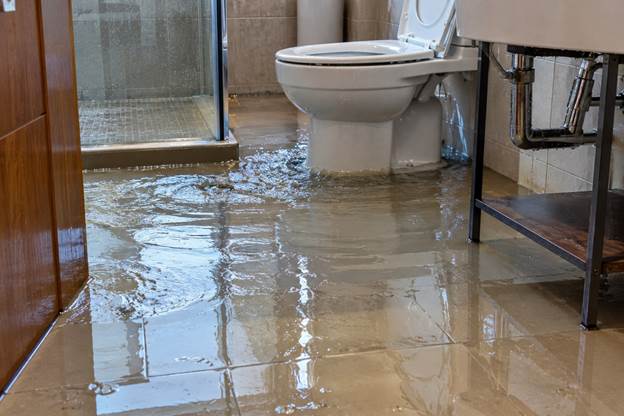
Why do sewer lines get clogged? Learn how grease, tree roots, damaged pipes, and everyday waste cause blockages and how to prevent them.
A sewer line can become blocked long before you notice anything wrong inside your home.
Small amounts of grease, soap residue, hair, and other waste can collect along the pipe walls over time.
Tree roots may also grow into underground pipes, while cracks or poor installation can make the problem worse.
So, why do sewer lines get clogged?
Sewer lines become blocked when waste builds up inside the pipes or when damage prevents wastewater from flowing properly.
Common causes include grease, wipes, tree roots, damaged pipes, and ground movement.
If the blockage becomes severe, you may need help from an ontstoppingsbedrijf utrecht (drain unblocking company in Utrecht) to inspect and clear the affected pipe.
Understanding what causes sewer blockages can help you avoid habits that damage your drains, recognize early warning signs, and reduce the risk of facing the same problem again.
The Los Angeles County Sanitation Districts explains how grease can harden inside pipes and cause sewer blockages.
Wet Wipes and Other Household Items Get Flushed
Toilets are designed to carry human waste and toilet paper. They are not rubbish bins.
Items such as wet wipes, paper towels, nappies, sanitary products, and dental floss do not break apart like toilet paper.
They can become trapped inside pipes and collect other waste.
Even wipes labeled “flushable” may cause problems because they do not always break down quickly enough in sewer systems.
The US Environmental Protection Agency advises against flushing wipes, paper towels, hygiene products, and other unsuitable items.
Keep a small waste bin in your bathroom.
It is a simple way to protect your plumbing and reduce the risk of a blocked sewer line.
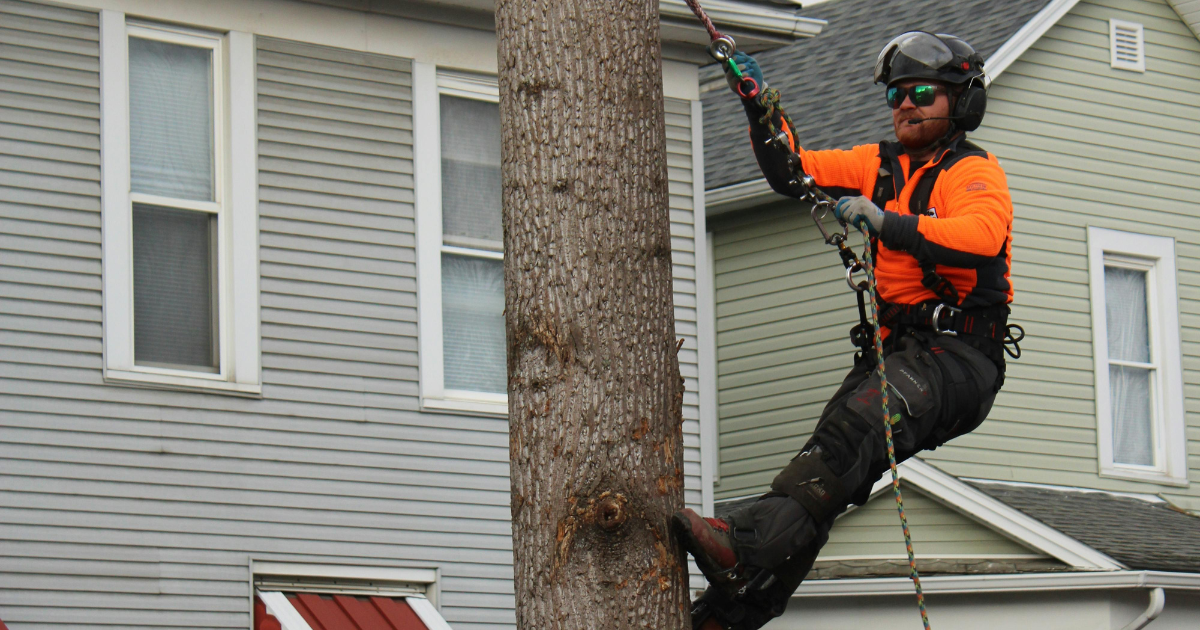
Tree Roots Enter Underground Sewer Pipes

Tree roots need water to grow.
Underground sewer pipes can provide a source of moisture, especially when a pipe has a crack or loose joint.
Roots may enter through these weak spots and continue growing inside the pipe.
As they spread, they catch toilet paper, grease, and other waste.
This can lead to:
- Repeated sewer blockages.
- Slow drains throughout the property.
- Cracked or damaged pipes.
- Wastewater backing up into your home.
Removing the roots may restore water flow, but it does not always fix the damaged pipe.
A plumber may need to repair the affected section to stop the roots from returning.
Old, Cracked, or Collapsed Pipes Cause Blockages
Sometimes, sewer lines get clogged even when you use your drains correctly.
The problem may be the condition of the pipes themselves.
Older pipes can crack, rust, shift, or collapse as they age.
Ground movement, heavy loads above the pipe, and poor installation can also cause damage.
A pipe with a low or sagging section can collect water and solid waste.
Instead of flowing away, the waste settles and slowly builds up.
This is why repeated cleaning may not solve every sewer problem.
A camera inspection can show whether the pipe has cracks, loose joints, root growth, or a collapsed section.
Depending on what the inspection finds, the plumber may recommend cleaning, repairing, or replacing the damaged pipe.
Poor Pipe Installation Slows Wastewater Flow
Sewer pipes need the correct size, alignment, and downward slope to carry wastewater away.
If a pipe is too flat, water may move too slowly to carry solid waste along.
If the pipe has a poor connection or an uneven section, waste can collect in that area.
This may cause blockages even when nothing unusual goes down the drain.
The City of Tacoma’s sewer inspection and repair guidance explains how pipe sags, poor slopes, damaged joints, and obstructions can lead to debris and grease buildup.
If a new or recently repaired sewer line keeps blocking, ask for its installation and alignment to be checked.
Heavy Rain Can Overload Some Sewer Systems
Heavy rain can also contribute to sewer problems.
In some areas, stormwater and wastewater use connected or shared systems.
Large amounts of rainwater can put extra pressure on pipes and pumping equipment.
Cracks and faulty joints may also allow groundwater to enter sewer pipes, adding more water than the system can handle.
When the system becomes overloaded, wastewater may back up through drains or overflow from sewer access points.
The US Environmental Protection Agency’s sewer overflow guidance identifies excessive water entering damaged sewer systems as one possible cause of overflows.
If several homes in your area experience backups during heavy rain, contact your local wastewater authority.
How Can You Tell If Your Sewer Line Is Clogged?

A blocked sewer line often affects more than one drain.
Watch for these warning signs:
- Several slow drains: Your toilet, shower, and sinks all drain poorly.
- Gurgling sounds: You hear bubbling when water runs or the toilet flushes.
- Bad smells: Sewage odors come from indoors or outdoors drains.
- Water backing up: Flushing one toilet causes water to rise in another drain.
- Sewage indoors: Wastewater comes through a toilet, shower, or floor drain.
One slow sink may only have a local blockage.
However, when several fixtures show problems at once, the main sewer line may be affected.
Stop using water where possible and contact a qualified plumber if sewage starts backing up. Avoid opening underground sewer chambers yourself.
How Can You Prevent Sewer Lines From Getting Clogged?
You cannot prevent every sewer problem, but these habits can lower the risk:
- Keep cooking oil, fat, and grease out of sinks.
- Flush only human waste and toilet paper.
- Put wipes, paper towels, and hygiene products in the bin.
- Keep hair and food scraps out of drains.
- Arrange an inspection if blockages keep returning.
- Ask a plumber to check older pipes for root damage or cracks.
If you need riool ontstoppen utrecht (sewer unblocking Utrecht) or a similar drainage service, ask the provider to find the cause of the blockage rather than simply clear it.
This can help prevent the same problem from happening again.
Conclusion
Then, why do sewer lines get clogged?
The main causes include grease, wipes, tree roots, damaged pipes, poor installation, and heavy rain.
Some problems start with everyday habits, while others develop underground over time.
Pay attention to slow drains, strange sounds, and bad smells.
These early signs can help you act before wastewater backs up into your home.
If the same blockage keeps returning, arrange a proper pipe inspection instead of relying on repeated cleaning.