What Drain Cleaner Is the Best? Choosing the Right Option
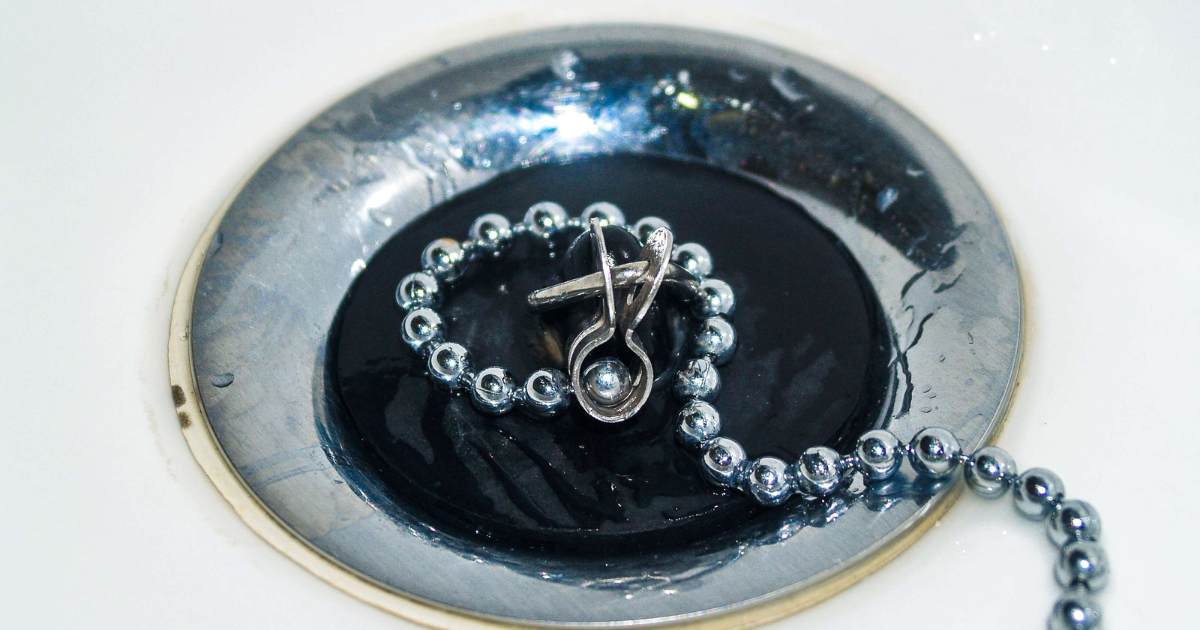
What drain cleaner is the best? Compare chemical, enzymatic, and mechanical options, learn when each works, and know when to call a plumber.
What drain cleaner is the best?
The strongest bottle on the store shelf is not always the best choice for your plumbing.
A chemical that cuts through one type of clog may do very little against another.
Hair, grease, soap buildup, food, and tree roots all create different problems, so treating every blockage the same way can leave you with a clogged drain and a bigger repair bill.
For a homeowner looking for a plumbing company Richardson, it helps to know what drain cleaners can actually do before reaching for one.
Some products use chemicals to break down organic material.
Others use enzymes or bacteria.
Mechanical tools, such as plungers and drain snakes, remove or break apart the blockage without adding chemicals to the pipe.
The best option depends on the clog, the plumbing, and how severe the blockage is.
Knowing those differences can help you choose a safer and more useful solution.
What Drain Cleaner Is the Best for a Typical Clog?
There is no single product that is best for every drain.
For a small, accessible clog, a plunger or drain snake is often a better first choice than a harsh chemical cleaner.
Mechanical methods can physically move or remove the blockage without leaving corrosive chemicals inside the pipe.
For certain organic buildup, an enzyme-based drain treatment may be useful.
These products use enzymes or bacteria to break down materials such as grease and other organic matter.
Poison Control notes that drain cleaners can contain either enzymatic ingredients or strong acidic or alkaline chemicals.
For a serious or recurring blockage, however, the best answer may not be a bottle at all.
The problem may need professional drain cleaning or a camera inspection.
What Are the Main Types of Drain Cleaners?
They include:
Chemical drain cleaners
Chemical drain cleaners usually contain strong acids or alkaline substances.
Common ingredients include:
- Sodium hydroxide
- Potassium hydroxide
- Sulfuric acid
- Hydrochloric acid
These chemicals can break down some types of organic material and grease.
The problem is that they can also be dangerous.
The CDC’s Agency for Toxic Substances and Disease Registry states that sodium hydroxide is highly corrosive and can cause severe burns to tissue.
So, a strong chemical is not automatically the best drain cleaner.
Enzyme-based cleaners
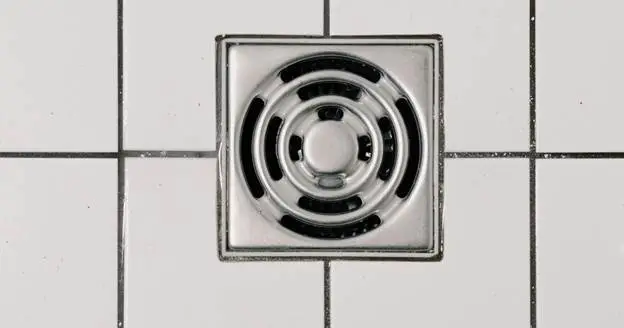
Enzyme cleaners work differently.
Instead of relying on highly corrosive chemicals, they use enzymes and microorganisms to help break down organic material.
They may be useful for maintenance or slow drains, but they are not a magic fix for every blockage.
They are unlikely to solve problems caused by:
- Tree roots
- Broken pipes
- Collapsed pipes
- Large solid objects
- Severe mineral buildup
Mechanical drain cleaners
Mechanical options include:
- Plungers
- Hand augers
- Drain snakes
These tools physically disturb or remove the blockage.
For many basic clogs, this is a useful first step because you are not introducing a corrosive chemical into the plumbing.
Which Drain Cleaner Is Best for Hair?
Hair is one of the most common causes of bathroom drain clogs.
A drain snake or hair-removal tool is often a practical choice because it can physically pull hair out of the drain.
If you use a chemical product, check the label to make sure it is intended for the type of drain and clog you have.
Never assume that using more product will make it work better.
A hair catcher over the shower drain can also prevent much of the problem before it starts.
Which Drain Cleaner Is Best for Grease?
Kitchen grease can stick to the inside of pipes and collect food particles over time.
A product designed to address grease may help with minor buildup, but a heavy grease blockage may require mechanical cleaning.
More importantly, do not make a habit of pouring cooking oil or grease down the sink.
Once it cools, it can stick to pipe surfaces and contribute to blockages.
If a kitchen drain repeatedly slows down even after cleaning, the buildup may extend farther into the line.
Are Chemical Drain Cleaners Safe for Pipes?
This depends on the product, the plumbing system, and how it is used.
Chemical drain cleaners can be effective, but they should not be treated like ordinary household cleaners.
Poison Control warns that concentrated drain-cleaning chemicals can cause serious chemical burns if they contact the skin, eyes, or body.
The U.S. Consumer Product Safety Commission also regulates drain cleaners as hazardous substances and has issued recalls involving products containing sodium hydroxide.
If you use one:
- Read the entire label first.
- Wear the protective equipment listed on the label.
- Never mix different drain cleaners.
- Never mix drain cleaner with bleach or other household chemicals.
- Keep the product away from children and pets.
- Follow the stated amount and waiting time.
Using more than the recommended amount does not guarantee a better result.
When Is Drain Cleaner the Wrong Choice?
Sometimes the blockage is not something a chemical can solve.
You should consider professional help when:
- The same drain keeps clogging.
- Several drains are slow at once.
- Water backs up into another fixture.
- You smell sewage.
- The toilet and other drains are backing up together.
- A drain remains blocked after reasonable attempts to clear it.
- You suspect tree roots or damaged pipes.
Several slow fixtures can point to a blockage farther down the main drainage line rather than a problem with one sink.
A Richardson plumbing company can determine whether the problem is a simple fixture clog or something deeper in the drainage system.
When Should You Call a Plumber?
Call a professional if the blockage is severe, keeps returning, affects multiple fixtures, or causes wastewater to back up.
A plumber Richardson TX homeowners rely on can use tools such as a drain snake, auger, hydro jetting equipment, or a camera inspection system depending on the situation.
Professional cleaning is especially useful when a clog is caused by roots, heavy buildup, or a damaged pipe.
In those cases, a store-bought drain cleaner may only treat the symptom.
Conclusion
So, what drain cleaner is the best?
It depends on the blockage.
For a basic clog, a plunger or drain snake may be a better first choice than a harsh chemical.
Enzyme-based products can have a role in dealing with some organic buildup, while chemical cleaners may work on certain clogs when used exactly as directed.
The key is not to choose a product simply because it claims to be the strongest.
Consider what caused the blockage, where it is located, and whether the problem keeps returning.
If a drain repeatedly backs up or several fixtures are affected, skip the chemical guessing game.
The underlying plumbing problem may need to be inspected and properly cleaned.