Why Beauty Is Important for Confidence and Well-Being

Learn why beauty is important for confidence, self-care, personal expression, and well-being, without letting your appearance define your worth.
Beauty is often judged by what you see in the mirror, but its value goes beyond physical appearance.
Think about how you feel after a good night’s sleep, a fresh haircut, or a skincare routine that leaves your skin feeling healthy.
Small changes can affect how you feel about yourself and how you present yourself to others.
Understanding why beauty is important means looking at its connection to confidence, self-care, personal identity, and emotional well-being.
Some people enjoy wearing makeup, while others prefer natural beauty or treatments such as lip filler to enhance certain facial features.
These choices can be personal ways to express yourself, provided you understand the benefits and risks involved.
However, beauty should never become a measure of your worth. You do not need flawless skin, a particular body shape, or perfect facial features to deserve respect.
A healthy approach to beauty starts with caring for yourself while accepting that nobody looks perfect all the time.
1. Beauty Can Improve Self-Confidence
Your appearance can influence how comfortable you feel in social situations. When you feel good about the way you look, you may feel more confident meeting people, speaking in public, attending events, or taking photographs.
For example, getting a haircut you love might make you feel more comfortable at work or during a family gathering.
However, appearance alone does not create lasting confidence. Your abilities, relationships, achievements, and personal values also shape how you see yourself.
Beauty can support your confidence, but it should not be the only source of it.
2. Beauty Encourages Self-Care
Beauty routines can give you practical ways to care for your body. Washing your face, moisturizing your skin, protecting yourself from the sun, and caring for your hair can all form part of a healthy routine.
The American Academy of Dermatology Association recommends basic skincare habits, including gentle cleansing, moisturizing, and sun protection.
You do not need expensive products to care for your appearance. A routine that suits your skin, fits your budget, and meets your needs is often a better choice than buying every new product you see online.
3. Beauty Can Support Emotional Well-Being
The way you feel about your appearance can affect your mood and daily life. Feeling comfortable in your skin may help you feel more relaxed and willing to take part in activities you enjoy.
On the other hand, constant worry about your appearance can cause stress and make you focus on perceived flaws.
The American Psychological Association provides information about body image and its connection to thoughts, feelings, and behavior.
It helps to remember that you can want to improve a feature without believing something is wrong with you.
If concerns about your appearance begin to affect your daily life, talking with a qualified mental health professional may help.
4. Beauty Allows Personal Expression
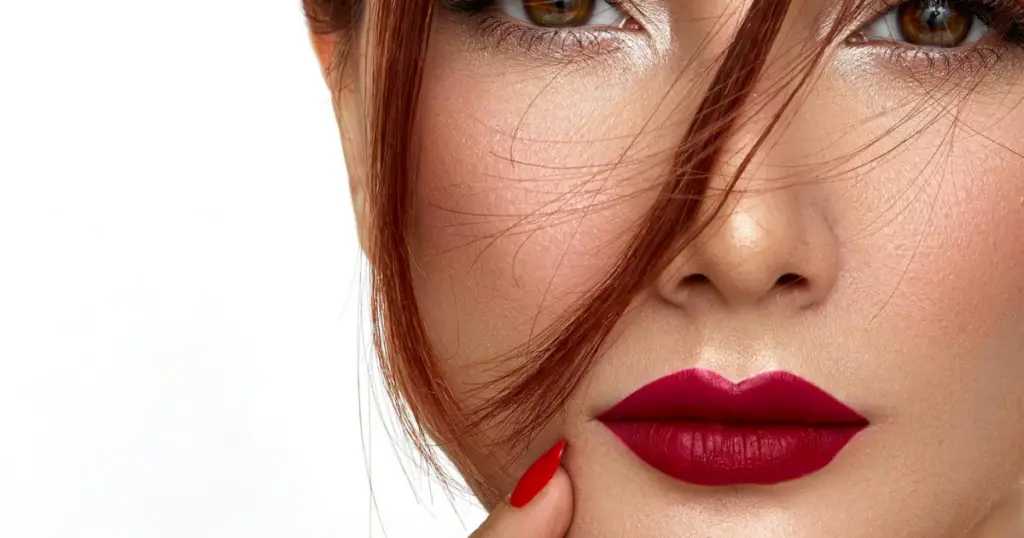
Beauty gives you a way to show your personality and preferences.
You might express yourself through your hairstyle, clothing, makeup, or skincare choices. Someone else may prefer a natural look with little or no makeup.
Neither choice is better than the other.
Cultural traditions, personal experiences, age, and lifestyle can all shape what beauty means to you. There is no single skin tone, facial shape, or body type that defines beauty for everyone.
The goal is to make choices that suit your preferences rather than trying to copy someone else’s appearance.
5. Beauty Can Be Part of Healthy Aging
As you age, your skin may become drier, fine lines may appear, and facial volume may change. These are normal changes, not signs that you have failed to care for yourself.
You can choose to age naturally while maintaining a skincare routine. You can also consider cosmetic treatments if you want to address a particular concern.
For example, Sculptra is an injectable treatment designed to stimulate collagen production over time. It is not suitable for everyone and may cause side effects.
Before choosing any cosmetic procedure, speak with a qualified healthcare professional who can explain the expected results, possible risks, recovery needs, and other options. Check the relevant product information through the U.S. Food and Drug Administration.
A good decision should come from your own goals and informed consent, not pressure to look younger.
6. Beauty Should Not Define Your Worth
Beauty can influence how you feel, but it does not determine your value as a person.
You can have acne, scars, wrinkles, or gray hair and still feel attractive and deserve respect. Your appearance is only one part of who you are.
Social media can make self-acceptance harder by showing edited photographs, filters, and carefully selected images.
Comparing your everyday appearance with someone else’s edited image can create unfair expectations.
Try to follow people who promote healthy beauty habits and realistic expectations. Remember that you rarely see the full story behind an online photograph.
7. How to Build a Healthy Relationship With Beauty
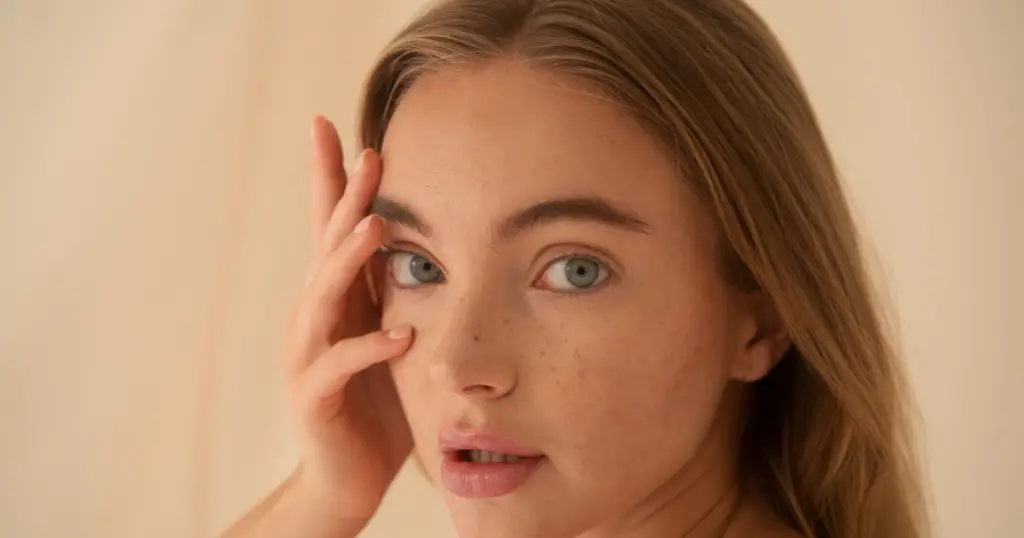
You can enjoy beauty without allowing it to control your life. Start with habits that support both your appearance and your health.
- Care for your skin: Cleanse gently, moisturize, and use suitable sun protection.
- Choose treatments carefully: Understand the benefits, risks, costs, and alternatives before making a decision.
- Avoid constant comparison: Your features do not need to match current beauty trends.
- Support your overall health: Get enough sleep, eat a balanced diet, and make time for physical activity.
- Set realistic goals: Products and treatments may improve certain concerns, but no procedure guarantees perfection.
- Practice self-acceptance: You can work on your appearance without being unkind to yourself.
Conclusion
Why beauty is important comes down to more than physical attractiveness.
Beauty can support confidence, encourage self-care, help you express your personality, and influence how you feel about yourself.
Still, your appearance should never become the only measure of your happiness or worth.
Whether you prefer a natural look, enjoy skincare, or consider cosmetic treatments, make choices that suit your needs and values.
When you care for your appearance while respecting yourself as you are, beauty can become a positive part of your life rather than a standard you must constantly chase.