Can Dental Implants Be Covered by Medical Insurance?

Can dental implants be covered by medical insurance? Learn when coverage may apply, common exclusions, and how to check your benefits before treatment.
Losing a tooth can affect more than your smile.
It can make chewing harder, change how you speak, and leave you looking for a lasting way to replace the missing tooth.
Dental implants are one option, but the cost can make you think twice before booking an appointment.
That brings up the question; can dental implants be covered by medical insurance?
In some cases, it can, but it depends on your insurance plan and why you need the implant.
Medical insurance usually focuses on treating illness or injury, while dental insurance often pays for certain treatments involving your teeth.
This difference can affect how much you pay out of pocket.
If you are considering dental implants, your first step should be to understand what your policy covers.
An implant needed after a serious accident may be treated differently from one used to replace a tooth lost through decay.
Knowing the difference can help you ask the right questions and avoid an unexpected bill.
Can Dental Implants Be Covered by Medical Insurance?
Yes, medical insurance may cover dental implants in certain situations.
However, most medical plans do not cover implants simply because you need to replace a missing tooth.
Coverage is more likely to be considered when the dental treatment is linked to a medical condition, injury, or covered surgery.
The exact rules depend on your insurer and policy.
According to the American Association of Oral and Maxillofacial Surgeons, coverage can depend on your insurance provider, plan limits, and the type of treatment you need.
For example, your insurer may review a claim differently if you lost a tooth in a serious accident rather than through normal tooth decay.
Even then, approval is not automatic.
When Might Medical Insurance Pay for Dental Implants?
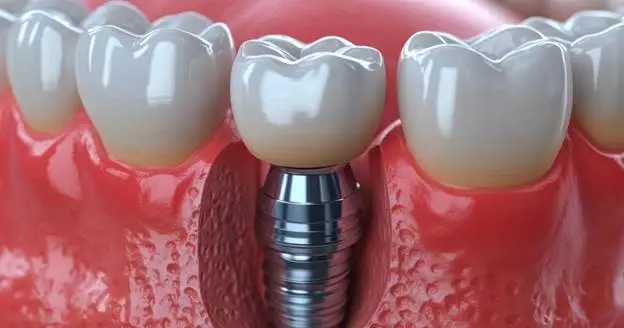
Your chances of getting coverage may improve when the implant is part of treatment for a medical problem.
However, your insurer must confirm that the procedure meets your plan’s rules.
Common situations to ask about include:
- Tooth loss after an accident: If a car accident or serious facial injury damages your teeth, your policy may cover some related treatment.
- Cancer treatment: Surgery for mouth or jaw cancer can affect your teeth and jaw. Some plans cover certain procedures needed to restore function after treatment.
- Jaw injuries or surgery: If you need dental reconstruction as part of covered jaw surgery, your insurer may review the related costs.
- Congenital conditions: Some people are born with missing teeth or jaw problems. Coverage depends on the condition and the policy.
The Centers for Medicare & Medicaid Services explains that certain dental services may qualify for Medicare coverage when they are closely linked to specific covered medical treatments.
Important to note: Coverage for related surgery does not mean your insurer will pay for the implant, crown, and every other part of treatment.
When Does Medical Insurance Usually Exclude Dental Implants?
Medical insurance often excludes implants used to replace teeth lost through everyday dental problems.
For example, you may have to pay yourself if you need an implant because of:
- Tooth decay that damaged a tooth beyond repair.
- Gum disease that caused tooth loss.
- Normal wear and damage over time.
- A missing tooth you want to replace for appearance reasons.
Your policy may also exclude bone grafting, sinus lift surgery, and other procedures needed before an implant can be placed.
For instance, Medicare dental coverage explains when dental services may qualify for medical coverage and when implants are generally excluded.
This policy varies though, by country and policy.
A Cosmetic Dentist may help you compare suitable tooth replacement options, but your insurance provider must confirm which costs qualify for payment.
Does Dental Insurance Cover Dental Implants?
Dental insurance may offer a better chance of coverage than medical insurance, but you should not assume every plan pays for implants.
Some dental plans cover part of the implant procedure.
Others exclude implants or pay only a set amount toward treatment.
Before choosing a plan, check these details:
| Insurance term | What it means for you |
| Annual maximum | The most your plan pays for covered dental care in a year. |
| Deductible | The amount you pay before certain benefits begin. |
| Waiting period | How long you must wait before some benefits apply. |
| Coinsurance | The share of an approved cost you must pay. |
| Missing tooth clause | A rule that may exclude replacement of a tooth lost before coverage began. |
According to HealthCare.gov, dental coverage may be included with a health plan or purchased separately.
Adult dental benefits and waiting periods can vary by plan.
If your implant costs more than your annual maximum, you may still have a large bill even when your plan covers part of the treatment.
How to Check Whether Your Insurance Covers Dental Implants

Before you agree to treatment, take these steps to reduce the risk of an unexpected expense.
- Read your policy. Search for terms such as dental implants, oral surgery, tooth replacement, trauma, and exclusions.
- Ask your Dentist for a treatment plan. Request a written breakdown of the implant, crown, scans, bone grafting, and other planned procedures.
- Contact your insurer. Explain why you need the implant and ask which parts of treatment may qualify for coverage.
- Request pre-approval. Ask your provider to review the proposed treatment before surgery. Pre-approval helps, but it may not guarantee payment.
- Get the answer in writing. Ask about your expected share of the cost, annual limits, and any conditions that could lead to a denied claim.
If you are seeing an orthodontist for another dental concern, remember that orthodontic benefits and implant benefits are separate.
Coverage for Invisalign, for example, does not mean your plan will cover dental implants.
Conclusion
So, can dental implants be covered by medical insurance?
Yes, sometimes, but coverage depends on why you need the implant and what your policy allows.
Medical insurance is more likely to consider treatment linked to a covered injury or medical procedure than routine tooth replacement.
Dental insurance may help with some implant costs, but annual limits and exclusions can leave you paying part of the bill.
Before you commit to treatment, get a written estimate, check your benefits, and ask for a coverage decision.
A little preparation can help you plan your care without facing a surprise expense later.