Will a Plate Compactor Work on Dirt?
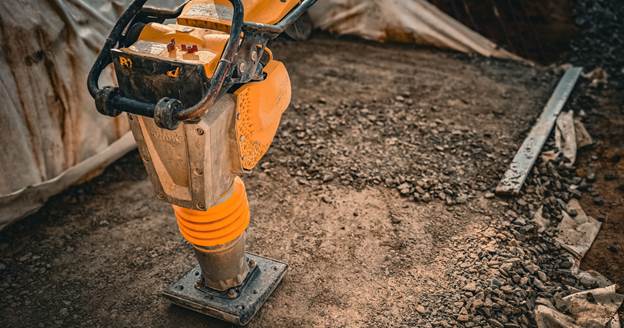
Will a plate compactor work on dirt? Learn which soil types it handles best, how to prepare the ground, and when you need a different compactor.
If you think a plate compactor is only useful for gravel, sand, or paving jobs, you may be surprised.
Will a plate compactor work on dirt? Yes, but the answer depends on what you mean by “dirt.”
Dirt can be loose topsoil, sandy soil, clay, gravelly fill, or a mix of several materials. Each one reacts differently when you compact it.
That matters because the wrong machine can leave you with soil that looks firm on top but still shifts underneath.
I’ve seen how easy it is to assume that running a heavy machine over the ground means the job is done.
It doesn’t always work that way. A plate compactor can be a good choice for certain dirt and fill materials, especially when you are preparing a base for a walkway, patio, driveway, or other small project.
You can also compare equipment such as Wacker Neuson machines when choosing the right tool for the job.
So, Will a Plate Compactor Work on Dirt?
Yes, a plate compactor can work on dirt, but it works best when the dirt contains granular or mixed material.
A vibratory plate creates rapid vibrations that help particles settle closer together. This reduces empty spaces in the soil and makes the surface firmer.
Wacker Neuson says vibratory plates are designed for soil compaction and offers both single-direction and reversible models for different jobs.
However, not all dirt responds equally well to vibration.
For example:
- Sand and gravel: Usually respond very well to a plate compactor.
- Mixed soil: Often works well, depending on the mix.
- Sandy loam: Can often be compacted effectively.
- Heavy clay: May need a different machine, especially if it is very cohesive.
- Wet, muddy dirt: Usually needs to dry or be corrected before proper compaction.
- Loose topsoil: May not be the right material to compact for a structural base.
So, before you start the machine, look at the material underneath your feet.
What Kind of Dirt Can a Plate Compactor Compact?
The word “dirt” can hide a lot of differences.
1. Sandy or granular dirt
This is where a plate compactor usually performs well.
Granular soil contains particles that can move and settle when vibration is applied. Think of sand, small gravel, crushed stone, and similar materials.
This makes a vibratory plate useful for preparing:
- Walkways
- Patios
- Driveways
- Paver bases
- Small slabs
- Landscaping areas
Wacker Neuson lists mixed soils, soil bases, walkways, roads, and parking areas among applications for its vibratory plates.
2. Dirt mixed with gravel
If your dirt contains a good amount of gravel or crushed stone, a plate compactor can be a strong choice.
The vibration helps the larger particles settle while smaller particles fill some of the gaps between them.
The result can be a dense, firm base when the material is placed in suitable layers.
This is one reason plate compactors are common for base preparation before installing pavers or other hard surfaces.
3. Clay-heavy dirt
This is where things get more complicated.
Clay is cohesive. Its particles stick together instead of moving freely like sand or gravel.
A standard vibrating plate may not compact heavy clay as effectively as an impact-style machine called a vibratory rammer.
Wacker Neuson notes that vibratory rammers are particularly suited to cohesive soils such as clay and loam, while vibratory plates are better suited to granular soils.
So if you are dealing with sticky, heavy clay, don’t assume a heavier plate is automatically the answer.
Why Soil Moisture Matters
Here is something that often gets overlooked: water affects compaction.
Soil that is too dry may not compact properly because the particles do not move and settle as they should.
But very wet soil can be just as troublesome.
If the dirt turns into mud under the plate, you may simply push the material around instead of creating a firm base.
Before compacting, check the ground:
- Is it firm enough to support the machine?
- Is water pooling on the surface?
- Does the soil feel muddy?
- Is the material extremely dry and dusty?
- Can you see the soil moving instead of settling?
The goal is not to make the dirt as wet as possible. You want suitable moisture for the type of soil you are working with.
Should You Compact Topsoil?
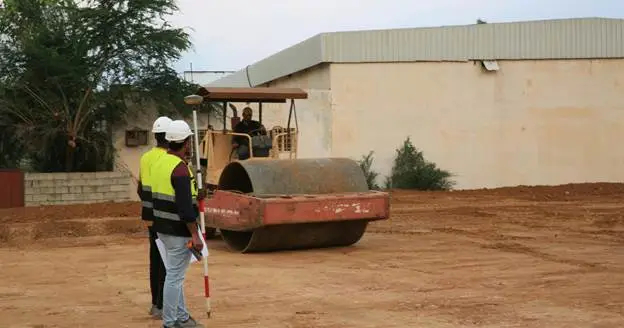
Usually, not if you are preparing a structural base.
Topsoil is generally used for growing plants. It contains organic matter and other material that makes it unsuitable as the main compacted base for things like patios, driveways, and concrete slabs.
If you are building a patio, for example, you normally remove unsuitable topsoil and prepare the underlying soil before adding the proper base material.
This is an important distinction because you can compact the wrong material very well and still end up with a poor foundation.
A plate compactor cannot turn unsuitable soil into suitable base material.
How to Compact Dirt With a Plate Compactor
If the soil is suitable for a plate compactor, the process is fairly straightforward.
1. Prepare the area
Remove grass, roots, loose organic material, rocks that are too large, and other debris.
You want a reasonably even surface before you begin compacting.
2. Work in layers
Don’t dump a huge pile of dirt and expect the plate to compact the entire depth.
Thin layers compact much better than one deep layer.
The right layer thickness depends on the soil, machine, and project. Always check your machine’s operating manual for its recommended lift thickness.
Wacker Neuson also notes that compaction depth can change based on soil conditions and other environmental factors, so you should not treat one depth figure as universal.
3. Run the plate slowly
Let the machine do the work.
Moving too quickly can reduce the amount of time vibration is applied to the soil.
Make steady passes across the area and keep your passes reasonably consistent.
4. Change your direction
For some jobs, running the machine in one direction and then making another set of passes across the area can help produce more even coverage.
The exact number of passes depends on the soil and machine.
Don’t rely on a magic number such as “three passes and you’re done.” The proper stopping point depends on the material and the compaction level your project requires.
5. Check the finished surface
Look for:
- Soft spots
- Tire or shoe marks
- Areas that move under pressure
- Uneven sections
- Water coming to the surface
If a section still moves or sinks, it may need more work rather than another quick pass with the plate.
Plate Compactor vs. Rammer for Dirt
Choosing between a plate compactor and a rammer largely comes down to the soil and the space.
| Machine | Usually better for |
| Plate compactor | Sand, gravel, mixed soils, larger open areas |
| Vibratory rammer | Clay, loam, cohesive soil, narrow trenches |
| Reversible plate | Heavier or deeper compaction work and mixed soils |
A plate compactor also has an advantage when you have a fairly open area to cover.
How Deep Can a Plate Compactor Compact Dirt?
There isn’t one universal answer.
The effective depth depends on several factors:
- Soil type
- Soil moisture
- Machine weight
- Centrifugal force
- Plate size
- Layer thickness
- Number of passes
This is why compacting a 12-inch-deep pile of dirt in one go is usually a bad idea. The top may become hard while the material underneath remains loose.
For deeper fills, place and compact the material in layers.
When a Plate Compactor Is Not the Right Choice
A plate compactor may be the wrong tool when:
- The dirt is mostly heavy clay.
- The ground is extremely wet and muddy.
- You are trying to compact very deep material in one pass.
- The soil contains large rocks that prevent the plate from sitting properly.
- You need very deep compaction.
- The project requires a tested or specified level of soil density.
For important construction work, don’t judge compaction by appearance alone.
How Do You Know the Dirt Is Compacted Enough?
A surface that looks hard isn’t necessarily fully compacted.
For a small DIY project, you can watch for obvious soft areas, movement, rutting, or sinking. For structural work, however, proper testing is the better option.
This matters because a poorly compacted base can settle later.
Imagine spending a weekend installing a beautiful paver walkway, only to find low spots and loose pavers after a few months.
The problem may not be the pavers at all. It could be the soil underneath.
Conclusion: Will a Plate Compactor Work on Dirt?
Will a plate compactor work on dirt? Yes, when the dirt is suitable for vibratory compaction.
It is especially useful for sand, gravel, and mixed granular soils. It can also handle some mixed soil conditions, depending on the machine and material.
But heavy clay, very wet soil, loose topsoil, and deep fills may require a different approach.
The biggest mistake is choosing your machine based only on the fact that the ground is called “dirt.” Look at the soil type first.
Then consider moisture, layer thickness, machine weight, and the level of compaction your project needs.
For a small patio or walkway, the right plate compactor can make a big difference.
For clay-heavy soil or more demanding work, a vibratory rammer or another compaction method may give you better results.