Will a Plate Compactor Damage Pavers?
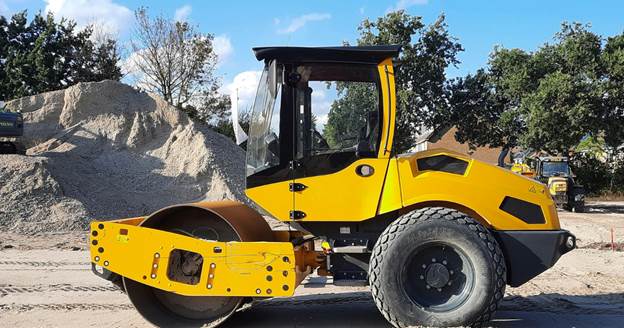
Will a plate compactor damage pavers? Learn how to compact pavers safely, prevent scratches and cracks, and choose the right settings and pad.
Installing pavers can feel like a big job, especially when you have spent hours getting each piece into place.
The last thing you want is to roll a heavy machine over your new surface and watch it crack or scratch. That is why many people ask, will a plate compactor damage pavers?
The answer is it can, but it should not when you use the right equipment and technique.
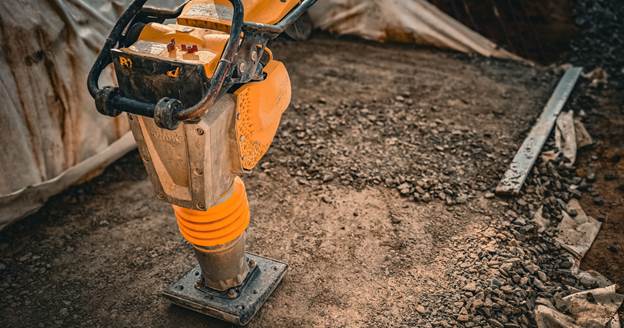
A plate compactor is actually a normal part of many paver installations. It helps press the pavers into the bedding sand and helps fill the joints with sand.
The compactor is not automatically the problem. Damage usually comes from using too much force, running the machine over loose debris, skipping a protective pad, or compacting an unsuitable surface.
So, before you switch on the machine, there are a few things you should check.
Can a Plate Compactor Damage Pavers?
Yes. A plate compactor can damage pavers if it is used incorrectly.
Concrete pavers are made to handle pressure, but the surface can still be scratched, chipped, scuffed, or cracked under the wrong conditions.
The risk is higher when:
- The compactor is too powerful for the pavers.
- The plate has no protective pad.
- Sand, gravel, or other debris is sitting on the paver surface.
- The pavers are not properly supported underneath.
- The pavers are installed over a rigid surface that does not allow normal movement.
- The operator makes too many passes in one spot.
- Cracked or damaged pavers are left in place before compaction.
The Concrete Masonry & Hardscapes Association (CMHA) recommends using a vibrating plate compactor to seat concrete pavers into the bedding sand.
It also notes that a protective pad may be needed to reduce the risk of etched paver surfaces.
That tells you something important: the machine itself is not the enemy. How you use it matters.
Why Are Pavers Compacted in the First Place?
You may wonder why you need a plate compactor at all.
When pavers are first laid, they are sitting on a layer of bedding sand. They may look finished, but they are not fully locked together yet.
Compaction helps in several ways:
- It seats the pavers into the bedding sand.
- It helps reduce small height differences between pavers.
- It pushes joint sand into the spaces between the pavers.
- It helps create a tighter, more stable surface.
- It reduces movement under normal foot or vehicle traffic.
CMHA guidance says pavers are compacted after placement, with joint sand then swept into the joints and compacted again.
So, skipping compaction is not always the safer choice. In many installations, proper compaction is part of getting the job right.
Use a Protective Pad on the Compactor
One of the best ways to reduce surface damage is to use a protective pad under the plate.
The pad creates a layer between the metal plate and the paver surface. This helps reduce scuffing and scratching, especially on textured or decorative pavers.
A bare metal plate can mark the surface when:
- Dirt gets trapped underneath it.
- Small stones are left on the pavers.
- The paver has a textured finish.
- The machine is turned sharply while running.
- The wrong type of plate is being used.
Before compacting, inspect the bottom of the machine. Make sure the plate is clean and that the protective pad is properly fitted.
Keep the Paver Surface Clean
This step sounds minor, but it can make a big difference.
Imagine putting a small pebble under a heavy machine and then running that machine across the pavers. The pebble becomes a hard point between the plate and the paver.
That can leave a mark.
CMHA specifically warns that loose stones on permeable paver surfaces can mar the pavers when they come into contact with a plate compactor. The surface should be swept clean before compaction.
Before you compact:
- Sweep away loose sand and stones.
- Remove pieces of broken paver.
- Check for dirt or construction debris.
- Make sure the protective pad is clean.
- Look over the pavers for cracks or damage.
Taking a few minutes to clean the surface can save you from replacing pavers later.
Choose the Right Compactor
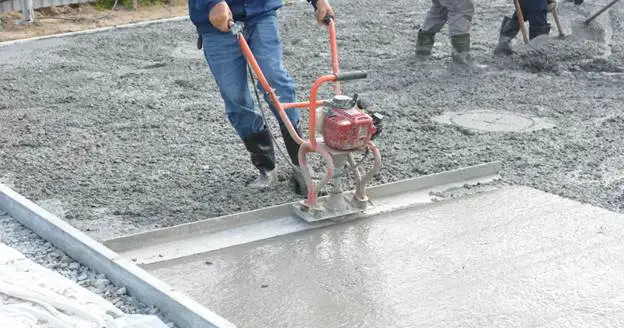
Not every plate compactor is suitable for every paver job.
A machine that is useful for compacting a thick aggregate base may be too aggressive for final paver compaction.
CMHA recommends a low-amplitude plate compactor for concrete pavers, with specific force and frequency ranges depending on the installation. For typical concrete paver work, its guidance calls for a machine capable of at least 5,000 pounds-force and operating around 75 to 100 Hz.
That does not mean you should automatically grab the strongest machine available.
You should consider:
- Paver thickness
- Paver type
- Surface texture
- Installation method
- Bedding material
- Whether the area is for people or vehicles
- The equipment instructions
If you are unsure, check the paver manufacturer’s installation instructions before compacting.
How to Compact Pavers Without Damaging Them
If you are asking will a plate compactor damage pavers, the safest answer is: use the correct machine, prepare the surface, and avoid rushing the job.
A good process looks like this:
1. Check the pavers
Replace cracked or damaged pieces before compaction. There is little point in compacting a paver that already has a visible problem.
2. Make sure the edges are restrained
Paver systems need proper edge restraints to help keep the units from spreading. CMHA installation guidance also calls for edge restraint as part of a properly built paver system.
3. Sweep the surface
Remove loose stones, debris, and excess material.
4. Fit the protective pad
Make sure it is securely attached and clean.
5. Make controlled passes
Move the compactor in straight, overlapping passes rather than stopping repeatedly in one area.
6. Compact in different directions
Changing direction helps distribute compaction across the surface instead of repeatedly stressing the same path.
7. Add joint sand
Sweep dry joint sand into the gaps between the pavers.
8. Compact again
Make additional passes to help settle the joint sand into the gaps. Continue until the joints are properly filled.
CMHA notes that multiple passes may be needed during both initial paver compaction and joint-sand compaction.
What About Pavers Installed Over Concrete?
This is where you need to be extra careful.
Pavers installed over a concrete slab do not behave exactly like pavers installed over a flexible aggregate base and bedding sand.
A rigid surface gives the pavers less room to settle during compaction.
This can increase the risk of damage if you try to force height changes with a powerful plate compactor.
This is one reason you should follow the installation method recommended for your specific project rather than assuming every paver surface can be compacted the same way.
Can You Use a Plate Compactor on Decorative Pavers?
You can in many cases, but decorative and textured pavers deserve extra care.
A textured surface may be more likely to show scuff marks from the compactor.
Loose sand or small stones can also become trapped against raised areas of the paver.
Before you compact decorative pavers:
- Check the manufacturer’s instructions.
- Use the recommended protective pad.
- Clean the surface thoroughly.
- Test a small area first if you are unsure.
- Stop if you notice scuffing, cracking, or other damage.
A small test area is much cheaper than replacing an entire patio.
Common Mistakes That Damage Pavers
If will a plate compactor damage pavers is the question, these mistakes are worth remembering.
- Using a bare metal plate: This can leave scratches and scuff marks.
- Using the wrong machine: Too much force can create unnecessary stress.
- Compacting dirty pavers: Small stones can get trapped under the plate.
- Ignoring damaged pavers: Existing cracks can become worse during compaction.
- Overcompacting: More passes do not always mean a better result.
- Ignoring installation instructions: Different pavers and installation methods can have different requirements.
Conclusion: Will a Plate Compactor Damage Pavers?
So, will a plate compactor damage pavers? It can, but proper use greatly reduces the risk.
A plate compactor is commonly used to seat pavers into bedding sand and help lock the joint sand into place.
The key is to use suitable equipment, keep the surface clean, use a protective pad when required, and follow the installation instructions for the pavers you are using.
If you are working on your own patio, walkway, or driveway, don’t treat compaction as a race.
Take your time, check the surface, and make controlled passes.
Done correctly, the compactor should help your pavers become more stable, not leave you with an expensive pile of cracked pieces.