How to Start Plate Compactor: Step-by-Step Guide
Learn how to start plate compactor safely, from pre-start checks and fuel setup to using the choke, throttle, starter, and vibration controls.
A plate compactor may look like a machine you simply switch on and push across the ground.
But knowing how to start plate compactor equipment correctly is more than pulling a starter rope and hoping for the best.
The wrong start-up steps can make the machine vibrate too early, make starting harder, or even create a safety problem.
A good start begins before the engine runs. You need to check the machine, prepare the work area, and use the correct starting settings for your particular model.
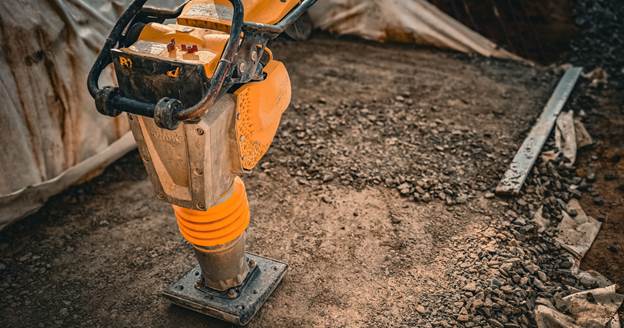
A typical plate compactor uses vibration to press soil, gravel, asphalt, or other suitable materials into a denser surface.
Different models can have different controls, so your owner’s manual should always be your first reference.
The good news is that the basic process is fairly similar across many petrol-powered models.
Once you know what each control does, starting the machine becomes much less confusing.
What You Need Before Starting
Before you start the engine, take a few minutes to inspect the machine.
This step matters because a plate compactor creates strong vibration while running.
A loose handle, damaged belt, leaking fuel line, or loose part can become a bigger problem once the machine starts moving.
Check these items:
- Engine oil: Confirm that the oil is at the level recommended by the manufacturer.
- Fuel: Make sure you have the correct fuel and enough for the job.
- Fuel lines: Look for leaks or damaged hoses.
- Base plate: Check for cracks, heavy damage, or anything stuck underneath.
- V-belt and guards: Make sure they are properly fitted and protected.
- Handle: Check that the handle is firmly attached.
- Bolts and fasteners: Look for anything loose.
- Work area: Remove people, loose objects, and anything that could get caught under the machine.
Manufacturer manuals also stress reading the safety and inspection instructions before operating the machine.
How to Start Plate Compactor Step by Step
Once your inspection is complete, you can prepare the engine.
1. Place the compactor on a suitable surface
Start the machine on a stable, reasonably level surface where possible.
Keep your hands and feet away from the base plate. Also make sure nobody is standing directly in front of or behind the machine.
Do not start it on a surface where you could easily lose control of the machine.
2. Turn the fuel valve on
Find the fuel valve. On many petrol plate compactors, you will find it near the engine.
Move the valve to the ON position.
This allows fuel to flow to the engine.
Some machines may use a different control setup, so check your manual if you cannot find the valve.
3. Set the choke correctly
The choke setting depends on whether the engine is cold or warm.
For a cold engine, many models require the choke to be in the closed or start position.
For a warm engine, the choke usually stays open or in the run position.
This is important because the choke changes the fuel and air mixture used during starting. Several plate compactor manuals follow this same basic process.
Don’t leave the choke in the starting position after the engine has warmed up. Move it gradually toward the normal running position.
4. Set the throttle
Next, check the throttle lever.
Do not assume every model uses the same starting position. Some machines recommend a position around one-third toward fast, while others tell you to start closer to idle.
For example, one Multiquip manual recommends moving the throttle about one-third toward the fast position, while another model specifies a slower starting setting.
Your owner’s manual takes priority here.
Starting at full throttle when the manufacturer does not recommend it can cause the plate to begin vibrating as soon as the engine fires.
5. Turn the engine switch on
Find the engine ON/OFF switch.
Move it to the ON position.
At this point, the fuel, choke, throttle, and ignition controls should all be in their correct starting positions.
6. Pull the recoil starter
If your machine uses a recoil starter, hold the handle firmly.
Pull the starter rope slowly until you feel resistance. Then give it a firm, smooth pull.
Don’t yank the rope all the way to its limit. Also, don’t simply let the handle snap back after starting. Allow it to return properly.
Manufacturer instructions commonly recommend pulling until resistance is felt and then pulling briskly.
If the engine does not start after several attempts, stop and check the basics rather than repeatedly pulling the rope.
Check:
- Is the fuel valve on?
- Is there enough fuel?
- Is the engine switch on?
- Is the choke in the correct position?
- Is the throttle set correctly?
- Does the engine have enough oil?
If the problem continues, use the troubleshooting section in your machine’s manual.
What to Do After the Engine Starts
Starting the engine is only half the job.
Let the engine warm up for a short period according to the manufacturer’s instructions.
Then gradually move the choke toward the normal running position if you used it for a cold start.
Next, increase the throttle to the recommended operating speed.
The plate should begin vibrating and moving according to the machine’s design.
On many forward plate compactors, the machine moves forward as the throttle increases.
Don’t force the machine forward by pushing hard on the handle.
Your job is mainly to guide it. One operating manual warns that pressing down on the handle is unnecessary and can increase wear on the machine.
How to Use a Plate Compactor Properly
Getting the engine started does not guarantee good compaction.
The result depends on the material, moisture level, machine type, and number of passes.
For soil or granular material:
- Spread the material as evenly as possible.
- Start the compactor at the recommended operating speed.
- Guide the machine in a straight path.
- Overlap each pass slightly.
- Make additional passes until the required level of compaction is reached.
- Watch how the machine behaves as the material becomes denser.
The number of passes needed can change based on soil type and moisture content.
You should also avoid using a standard plate compactor on concrete or extremely hard, dry, compacted surfaces.
Some manufacturer manuals warn that the plate can jump instead of vibrating properly under these conditions.
How to Start a Plate Compactor on Asphalt
Asphalt needs a little more care.
A dry metal base plate can stick to hot asphalt. Some manufacturers recommend using a water sprinkler system when compacting asphalt to reduce this problem.
You should also follow the operating instructions for your particular machine because asphalt work can require different settings and techniques than soil compaction.
How to Start a Plate Compactor With Paving Stones
If you’re compacting paving stones, don’t simply run a bare steel plate over the finished surface.
A suitable protective pad can help reduce the risk of chipping or damaging the pavers.
Manufacturer instructions commonly recommend a rubber or urethane pad for this type of work.
This small step can save you from replacing damaged paving stones later.
Common Starting Mistakes to Avoid
A few mistakes show up again and again when people use plate compactors.
- Starting with the wrong choke setting: A cold engine and warm engine may need different choke positions.
- Using full throttle too early: Follow the starting position listed in your manual.
- Ignoring oil level: Low engine oil can cause serious engine damage.
- Holding the machine down: Let the vibration and weight of the compactor do the work.
- Ignoring unusual vibration: Stop the machine if you notice vibration, noise, movement, or behavior that does not seem normal.
- Skipping the inspection: A two-minute check before starting can prevent a much bigger problem later.
How to Stop a Plate Compactor

When you’re finished, don’t simply walk away while the machine is still running.
Reduce the throttle to the recommended idle position and allow the engine to settle. Then switch the engine off.
Some machines also require you to turn the fuel valve off after stopping.
Wait until the vibration has completely stopped before moving or inspecting the machine.
Conclusion
Learning how to start plate compactor equipment correctly comes down to doing the small things in the right order.
Check the machine first, prepare the controls, use the correct choke setting, start the engine properly, let it warm up, and then bring it up to working speed.
The exact controls can vary between models, so don’t rely on memory alone.
Your owner’s manual should always take priority over general instructions.
Once the machine is running, focus on guiding it rather than fighting it.
The right machine, correct operating speed, suitable material, and enough passes will give you much better compaction than simply pushing harder.
That approach also helps protect the machine and gives you a safer, more controlled work session.