What Is Diesel Maintenance? Key Tasks to Know
What is diesel maintenance? Learn the key service tasks that protect a diesel engine, including oil, fuel, cooling, air, exhaust, and filter care.
What is diesel maintenance?
It is the regular care a diesel engine needs to stay reliable, efficient, and safe to operate.
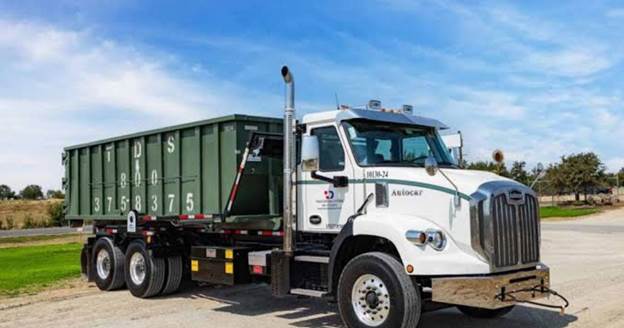
Think about a work truck that starts every morning and spends hours carrying loads.
Its engine faces heat, pressure, dirt, and long periods of use.
Without regular maintenance, small issues can build into expensive failures.
Diesel maintenance includes more than changing engine oil.
It can involve fuel filters, air filters, coolant, belts, hoses, batteries, turbochargers, exhaust systems, and emissions equipment.
The exact service schedule depends on the engine and how it is used.
If a vehicle needs attention, a business may search for qualified diesel maintenance services Bryan.
But knowing what routine maintenance involves helps you spot problems earlier and make better service decisions.
What Is Diesel Maintenance?
Diesel maintenance is the planned inspection, servicing, adjustment, and replacement of parts and fluids that keep a diesel engine working properly.
Unlike waiting for a breakdown, preventive maintenance deals with wear and contamination before they cause serious damage.
A typical diesel maintenance program may include:
- Engine oil and filter changes
- Fuel filter replacement
- Air filter inspection
- Coolant checks
- Cooling-system service
- Belt and hose inspections
- Battery checks
- Turbocharger inspection
- Exhaust-system checks
- DPF and emissions-system service
- Fluid and leak checks
- Electronic diagnostics
Not every diesel engine needs all these tasks at the same time.
The manufacturer’s service schedule should be the starting point.
Why Is Diesel Maintenance Important?
Diesel engines are built for demanding work, but being tough does not mean they can be neglected.
Regular maintenance can help:
- Reduce the chance of unexpected breakdowns
- Protect expensive engine components
- Maintain engine performance
- Support better fuel efficiency
- Control wear
- Reduce emissions-related problems
- Extend the useful life of the engine
The cost of routine service is usually easier to plan for than an unexpected major repair.
A neglected filter or low fluid level may seem like a small issue, but the damage can spread when the problem is left alone.
What Does Diesel Maintenance Include?
1. Engine Oil and Filter Service
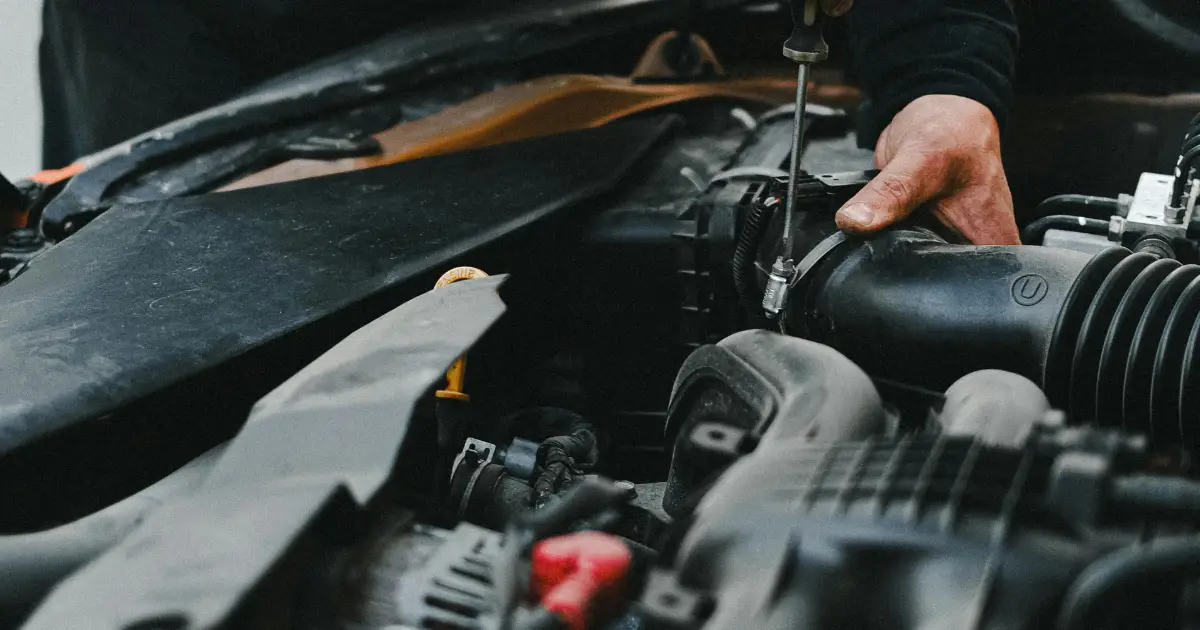
Engine oil creates a protective layer between moving parts.
It also helps carry heat and contaminants away from important engine components.
Over time, diesel engine oil can become contaminated with soot and other materials.
The oil filter captures contaminants, but the filter has a service limit.
During an oil service, the technician should use the correct oil specification and viscosity for the engine.
Do not assume that every diesel engine uses the same oil or service interval.
Cummins, for example, lists different oil and filter intervals for different engines and duty cycles.
2. Fuel Filter Service
Clean fuel is important because modern diesel fuel systems operate with precise components.
A fuel filter helps keep unwanted particles and contaminants from reaching the fuel system.
Some systems also have a fuel-water separator.
Water contamination can cause problems with fuel-system components, so the separator should be checked and serviced according to the manufacturer’s instructions.
If a diesel engine becomes difficult to start, loses power, or runs poorly, the fuel system may need inspection.
3. Air Filter Inspection
A diesel engine needs enough clean air for proper combustion.
A restricted air filter can reduce airflow and affect engine performance.
During maintenance, the filter and intake system should be checked for:
- Dirt buildup
- Damage
- Loose connections
- Cracks
- Poor sealing
Vehicles that operate in dusty areas or harsh work environments may need more frequent air-filter checks.
4. Cooling-System Maintenance
The cooling system controls engine temperature.
It usually includes coolant, a radiator, hoses, a water pump, a thermostat, and other components.
Maintenance can include checking:
- Coolant level
- Coolant condition
- Hoses
- Clamps
- Radiator
- Water pump
- Cooling fan
A coolant leak should not be treated as a minor inconvenience.
Low coolant can contribute to overheating, and excessive heat can cause serious engine damage.
What About Diesel Exhaust and DPF Maintenance?
Modern diesel vehicles may have emissions equipment such as a diesel particulate filter (DPF).
A DPF traps soot from the exhaust.
During regeneration, accumulated soot is burned off.
However, ash from oil and fuel additives can remain in the filter and may eventually require cleaning or other service.
The U.S. Environmental Protection Agency notes that excessive particulate buildup or poor regeneration can increase DPF maintenance needs.
This is an important part of understanding what is diesel maintenance on a newer vehicle. Engine maintenance and emissions-system maintenance are connected.
For example, an engine problem that produces excessive particulate matter can place additional stress on the DPF.
The EPA recommends diagnosing the cause when a filter requires unusually frequent cleaning.
How Often Does Diesel Maintenance Need to Be Done?
There is no single maintenance schedule for every diesel engine.
The correct interval can depend on:
- Engine make and model
- Vehicle age
- Mileage
- Engine hours
- Load
- Driving conditions
- Idle time
- Fuel quality
- Climate
- Duty cycle
Some manufacturers use mileage, engine hours, or time to determine when service is due.
The interval may be whichever comes first.
For example, Cummins lists different maintenance schedules for light, normal, and severe operating conditions on some engines.
This is why using a generic internet maintenance schedule can be risky.
Your owner’s or engine manufacturer’s manual should take priority.
What Are Signs a Diesel Engine Needs Maintenance?
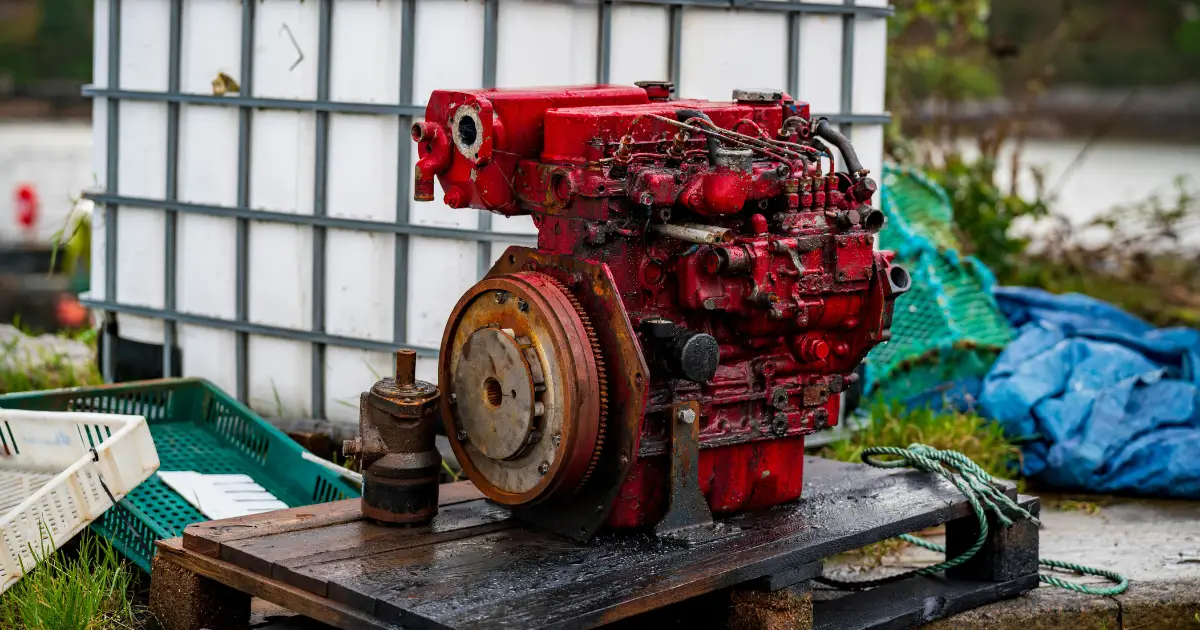
Your vehicle may give you clues before a major problem occurs.
Watch for:
- Hard starting
- Rough idling
- Reduced power
- Increased fuel use
- Excessive exhaust smoke
- Unusual engine noises
- Rising engine temperature
- Oil or coolant leaks
- Warning lights
- Frequent DPF regeneration
- Unusual oil consumption
A new symptom is worth investigating, especially when it continues after normal operating conditions return.
If you are searching for diesel repair near me because of one of these problems, ask for proper diagnosis rather than simply replacing parts based on the symptom.
Conclusion
What is diesel maintenance?
It is the regular care and inspection needed to keep a diesel engine operating properly and to reduce avoidable wear and failures.
The main areas include:
- Oil and filter service
- Fuel-system maintenance
- Air-filter and intake checks
- Cooling-system service
- Belts and hose inspections
- Battery and electrical checks
- Turbocharger and exhaust inspections
- DPF and emissions-system maintenance where applicable
- Leak and fluid checks
- Manufacturer-scheduled inspections and adjustments
The most important point is that maintenance intervals are not universal.
Always use the service information for your specific engine and consider how hard the vehicle is being worked.
Regular maintenance cannot prevent every breakdown, but it can help catch developing problems before they become larger, more expensive failures.