What Maintenance Is Needed for a Heat Pump? A Simple Guide
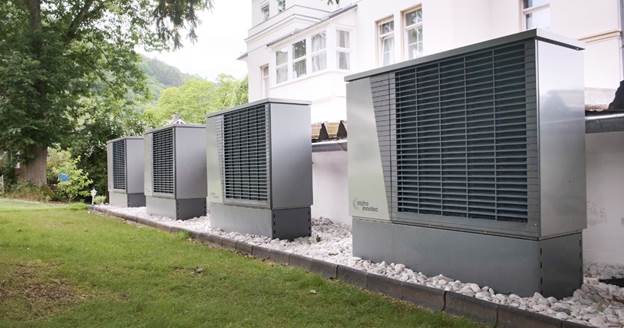
This article shows you what maintenance is needed for a heat pump, and the key monthly and yearly tasks that keep it efficient and help prevent repairs.
According to ENERGY STAR, heating and cooling can account for nearly half of a home’s energy use.
That is a big chunk of the household budget, so it makes sense to keep a heat pump working as efficiently as possible.
The good news is that heat pumps do not need constant attention.
The bad news is that small maintenance jobs are easy to ignore until the system starts running poorly, bills rise, or you lose hot water at the wrong time.
If you are wondering what maintenance is needed for a heat pump, think of it as simple upkeep you can do yourself and a yearly service performed by a qualified technician.
If your home uses a heat pump hot water system or solar-assisted setup, early solar hot water repairs can also stop one small issue from turning into a much bigger repair.
What Maintenance Is Needed for a Heat Pump?
A heat pump needs regular filter care, good airflow, a clean outdoor unit, and a professional service at least once a year.
The U.S. Department of Energy says the difference between a well-maintained heat pump and a badly neglected one can be 10% to 25% in energy use.
ENERGY STAR also recommends annual pre-season check-ups and says dirty filters can raise energy costs and shorten equipment life.
So when someone asks what maintenance is needed for a heat pump, the answer isn’t a single task but a simple schedule.
Heat Pump Maintenance Schedule at a Glance
Every month
These are the quick checks that make the biggest difference over time:
- Check the air filter and clean or replace it if it is dirty
- Make sure supply vents and return vents are not blocked
- Listen for rattling, buzzing, or unusual fan noise
- Check whether the airflow feels weaker than normal
A dirty filter is one of the most common causes of poor heat pump performance.
It restricts airflow, makes the system work harder, and can lead to higher bills.
Every 3 to 6 months
This is the light seasonal maintenance stage:
- Clear leaves, dust, weeds, and clutter away from the outdoor unit
- Rinse dirt off the outdoor coil if it is visibly dirty
- Check for blocked drainage around the unit
- Look at visible pipe insulation for wear or damage
This matters because the outdoor unit needs room to move air properly.
If it is packed with debris or the coil is coated in grime, the system loses efficiency.
Every 12 months
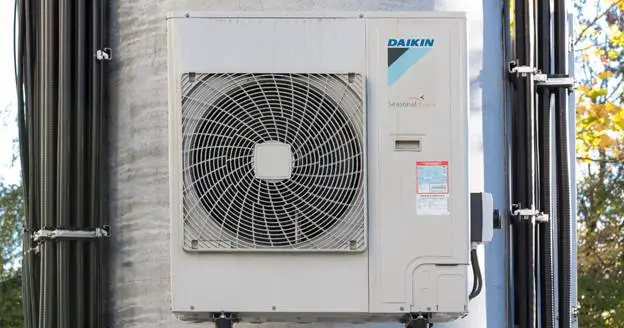
This is the professional service stage.
A licensed technician should inspect:
- refrigerant charge and signs of leaks
- electrical terminals and controls
- blower, fan, and airflow performance
- indoor and outdoor coils
- condensate drainage
- thermostat operation
- overall heating and cooling performance
That yearly visit is the safest way to catch issues early before they turn into a larger heat pump repair service call.
What You Can Do Yourself
A lot of heat pump care is simple.
You do not need to be a technician to stay ahead of common problems.
1. Keep the filter clean
Check it every month, especially in heavy-use months.
If it is dirty, clean it or replace it based on the manufacturer’s instructions.
2. Keep the outdoor unit clear
Leaves, grass, and dust can block airflow.
Give the unit some breathing room and clear away anything that builds up around it.
3. Watch for performance changes
Pay attention if the home feels slower to heat or cool, the airflow drops, or the system starts making noises it did not make before.
4. Keep vents open and unblocked
Closed vents, furniture pushed against returns, or clutter around the indoor unit can reduce airflow and make the system work harder.
These steps are easy, but they address a significant part of the maintenance needed for a heat pump because they prevent the problems that occur most often.
What a Professional Should Handle
Some tasks should not be DIY jobs.
A qualified technician should handle:
- refrigerant checks and leak testing
- electrical testing and tightening connections
- fan motor and blower inspection
- thermostat and control testing
- deeper coil inspection and cleaning if needed
- condensate and drainage checks
If your system is a heat pump water heater, the service may also include checking the tank, pressure relief valve, connections, and any signs of sediment or leaks.
In homes with mixed systems, this can overlap with hot water repairs.
If the heat pump stops heating water properly, leaks, or trips faults suddenly, it may move from routine maintenance into same day hot water repairs territory.
Signs Your Heat Pump Needs Maintenance Now
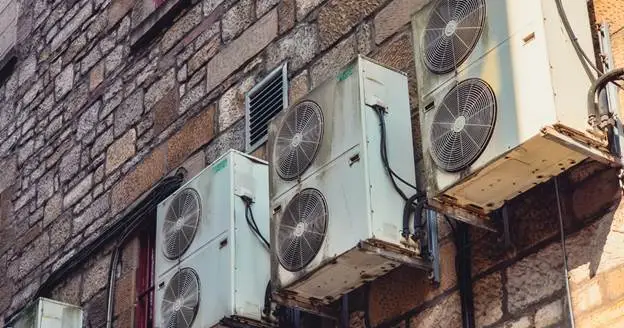
Do not wait for the annual service if the unit is already showing warning signs.
Book help sooner if you notice:
- weak airflow
- higher energy bills with no clear reason
- short cycling or constant running
- poor heating or cooling performance
- water leaks or drainage issues
- rattling, buzzing, or grinding sounds
This is where regular care pays off.
Many major repairs start as small, easy-to-miss faults.
And if you are looking online for the best plumber near me, check whether they handle heat pump hot water systems, not just standard plumbing jobs.
That matters if your system ties into hot water storage or even solar tank repairs.
Conclusion
So, what maintenance is needed for a heat pump?
The basics are to check filters regularly, keep the outdoor unit clean and clear, watch for airflow or performance changes, and book a professional service every year.
That routine does more than keep the unit tidy.
It improves efficiency, reduces the risk of sudden breakdowns, and helps the system last longer.
Any changes in your heat pump’s performance, water leaks, or unusual noises or smells can indicate problems with your unit.
Sudden spikes in electricity bills can also mean that your heat pump is malfunctioning.
If you think there’s an issue, call in a professional technician.
If you stay on top of the essentials and act early when something feels off, your heat pump has a much better chance of doing its job quietly in the background for years.