How to Start Concrete Saw Safely and Correctly
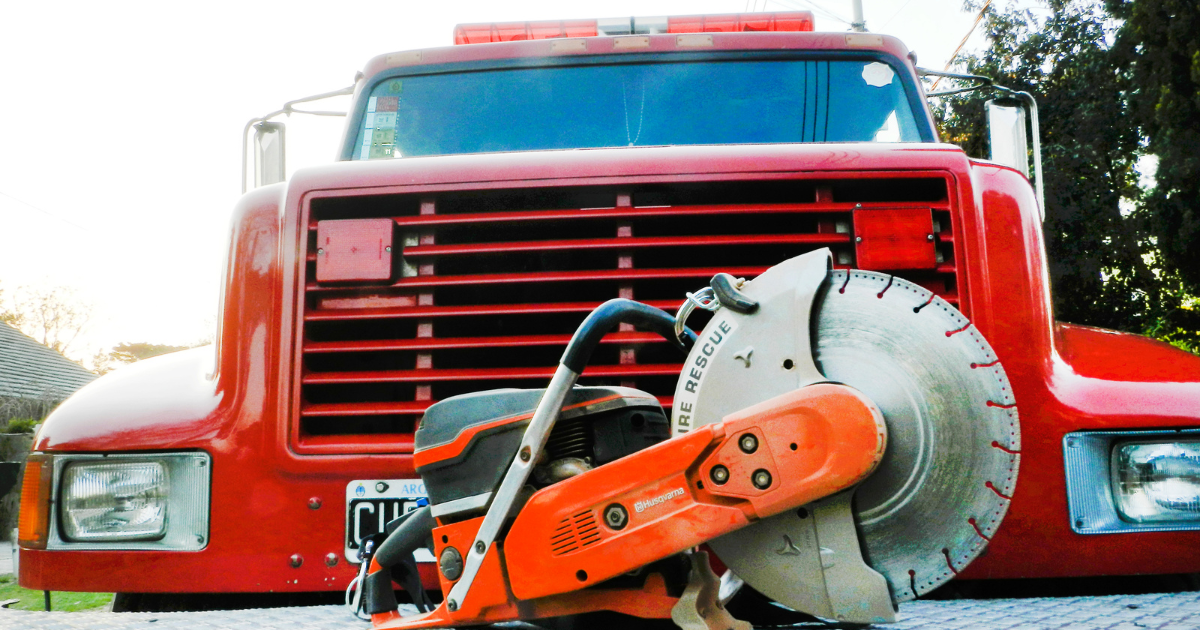
Learn how to start concrete saw equipment safely, check the blade, control dust, and make your first cut without damaging the saw or concrete.
Cutting concrete looks straightforward until you are standing beside a heavy saw with a spinning diamond blade, loud motor, water spraying, and dust trying to go everywhere.
If you have never used one before, knowing how to start concrete saw equipment safely matters just as much as knowing how to make the cut.
A wrong startup can damage the blade, strain the engine, or put you in the path of flying debris.
You also need to think about dust. Cutting concrete can create respirable crystalline silica, a serious workplace hazard.
OSHA says materials such as concrete can release this fine dust during cutting and sawing.
Using a concrete saw with the right dust controls is therefore part of doing the job properly.
So, before you pull the starter or switch on the motor, take a few minutes to prepare the saw, work area, blade, water supply, and yourself.
What You Need Before Starting a Concrete Saw
Before learning how to start concrete saw equipment, make sure the saw is ready for use.
Start with these checks:
- Read the manufacturer’s operating instructions.
- Make sure you have the correct diamond blade for the material.
- Check that the blade is properly installed and tightened.
- Inspect the blade for cracks, missing segments, or damage.
- Check the blade guard is secure and functional.
- Inspect water delivery system if wet cutting.
- Verify fuel, oil, or power supply depending on saw type.
- Clear the cutting area of people and debris.
- Wear required personal protective equipment.
Do not assume a blade is safe just because it looks fine. Micro-cracks or worn segments can fail once the blade reaches full speed.
OSHA notes that serious injuries occur when saws are used without proper training or when guards and blades are not correctly maintained.
Step 1: Put the Concrete Saw on Stable Ground
Set the saw on firm, level ground before starting.
For walk-behind saws, ensure you have enough space to control movement once the blade engages. Never start the saw with the blade already touching concrete.
The blade must spin freely at startup. Any contact with the slab creates unnecessary load on the engine and increases kickback risk.
Also confirm what is inside the concrete. Reinforcement steel, conduit, plumbing, or embedded utilities can affect cutting behavior and blade performance.
Step 2: Check the Blade and Guard
The blade is the most critical component, so inspect it carefully.
Look for:
- Cracks or chips in the core
- Missing or uneven diamond segments
- Warping or bending
- Loose arbor or mounting hardware
- Guard damage or misalignment
Match the blade to the material. A general concrete blade may not perform well on heavily reinforced concrete or asphalt.
Never operate without a blade guard. It protects the operator from debris and reduces exposure to accidental contact with the spinning blade.
Step 3: Set Up Water or Dust Control
If using wet cutting, connect water before starting the saw.
Water serves two purposes: cooling the blade and reducing airborne dust.
OSHA identifies water delivery as a key engineering control for silica-producing tasks.
Before starting:
- Connect water supply securely.
- Turn on flow before blade engagement.
- Confirm water reaches both sides of blade.
- Adjust to steady, continuous flow.
- Ensure runoff does not create slip hazards.
Do not rely on light misting. Insufficient water flow still allows hazardous dust to form.
If dry cutting is required, use an approved dust-control system such as a vacuum attachment or engineered ventilation. Never cut concrete without controlling dust exposure.
Step 4: Put On the Right PPE
Proper PPE is not optional when learning how to start concrete saw equipment.
Minimum PPE includes:
- Safety glasses or full face shield
- Hearing protection
- Steel-toe boots
- Gloves (as appropriate for grip and vibration control)
- Long sleeves and durable work clothing
- Respirator when required by silica exposure plan
Avoid loose clothing, dangling cords, or jewelry that can catch in moving parts.
Concrete dust is not just nuisance dust. OSHA explains that respirable crystalline silica particles are extremely small and can penetrate deep into the lungs during cutting, grinding, or drilling operations.
Step 5: Start the Concrete Saw
The startup procedure depends on the saw type, but the key rule is the same: the blade must be clear of the material.
For gas-powered saws:
- Confirm blade is off the surface.
- Set choke and fuel controls per manual.
- Engage starter cord or ignition system.
- Allow engine to stabilize at idle.
- Gradually adjust choke as engine warms.
- Let engine reach full operating temperature.
For electric or battery saws:
- Ensure power connection is secure.
- Confirm switch is in OFF position before plugging in.
- Hold saw firmly before activation.
- Start motor and allow it to reach full speed.
Never rely on a generic method. Different brands have different safety interlocks and startup sequences.
Step 6: Let the Blade Reach Operating Speed
Do not begin cutting immediately after startup.
Allow the blade to reach full RPM before contact with concrete. This stabilizes the motor and reduces stress on the blade.
Watch for:
- Excess vibration
- Wobbling blade
- Unusual noise
- Irregular idle speed
If anything feels off, shut the saw down and inspect it before continuing.
A concrete saw is designed to cut hard material, but only when operating at correct speed and alignment.
Step 7: Begin the Cut Slowly
Position the saw on your marked line before lowering the blade.
Lower gradually and maintain steady control.
Key technique points:
- Keep both hands on handles at all times
- Apply steady, not forceful, pressure
- Let blade do the cutting work
- Maintain straight cutting line
- Avoid sudden directional changes
- Keep bystanders clear of the work zone
If the saw slows or binds, reduce pressure. Forcing the cut can overheat the blade or damage the engine.
Common Mistakes When Starting a Concrete Saw
Understanding how to start concrete saw equipment also means avoiding common errors.
Starting with blade in contact with concrete
This overloads the engine and increases kickback risk.
Using worn or damaged blades
Even minor damage can lead to catastrophic failure at high RPM.
Ignoring dust control
Silica exposure is a serious long-term health hazard and must be controlled.
Removing blade guard
This exposes the operator to direct blade contact and flying debris.
Overfeeding the saw
Excess pressure reduces cutting efficiency and shortens blade life.
Ignoring vibration
Vibration often signals misalignment, loose hardware, or blade damage.
Wet Cutting vs. Dry Cutting
Wet cutting is preferred in most concrete applications because it reduces dust and extends blade life.
OSHA recognizes water delivery as a primary control method for silica-producing tasks.
Dry cutting is only appropriate when water use is not possible. In those cases, dust extraction or ventilation must be used.
OSHA sets a permissible exposure limit of 50 micrograms per cubic meter for respirable crystalline silica over an 8-hour shift, making dust control a compliance requirement, not an option.
When You Should Not Start the Saw
Do not start the saw if:
- Blade is cracked, warped, or loose
- Guard is missing or damaged
- Fuel, battery, or electrical system is faulty
- Controls are unresponsive
- Excess vibration is present
- Dust control system is unavailable
- Operator is unsure of machine function
- Work area is unsafe or uncontrolled
If any of these conditions exist, stop and correct the issue before proceeding.
Conclusion
Learning how to start concrete saw equipment is about preparation, not just ignition.
A safe start depends on inspection, setup, dust control, and correct operating procedure.
Check the blade, guard, and power system. Set up water or dust control. Wear proper PPE.
Start the saw with the blade clear of concrete and allow it to reach full speed before cutting.
Most importantly, follow the manufacturer’s instructions for your specific model.
Concrete saws vary widely in design, and correct startup procedures are not universal.
When you take the time to start the saw correctly, you reduce risk, extend equipment life, and produce cleaner, safer cuts.