How to Apply for Tree Removal: Steps to Follow
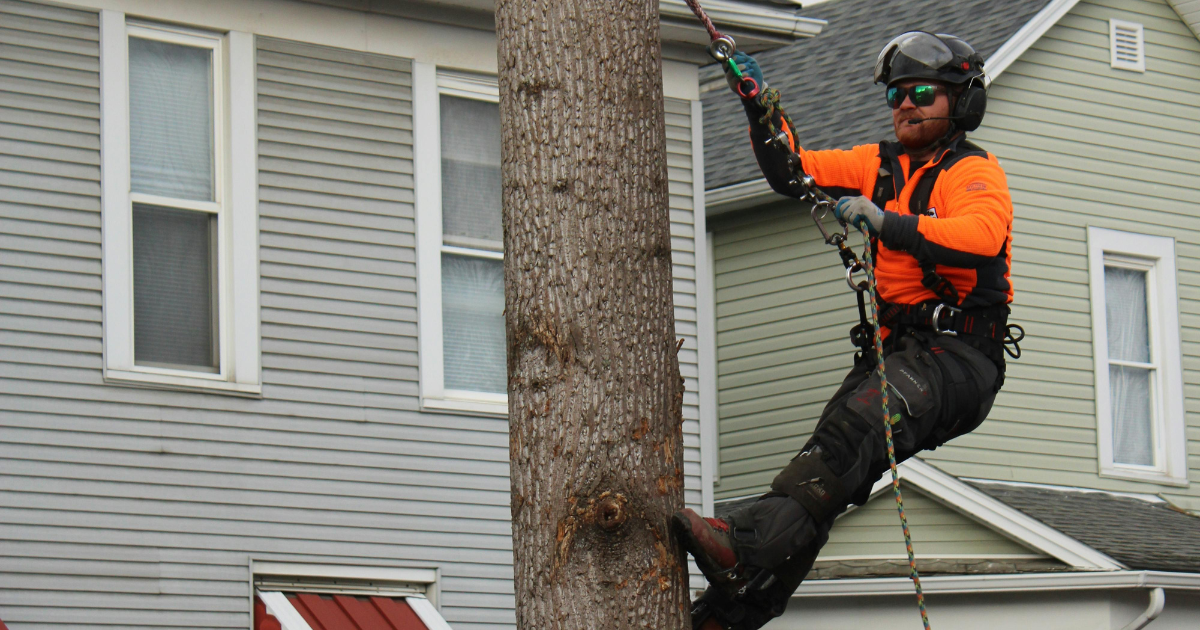
Learn how to apply for tree removal, check permit rules, prepare your documents, and get approval before removing a tree from your property.
Removing a tree may seem like a simple job until you learn that you might need permission first.
A tree could be dead, damaged by a storm, leaning toward your house, or growing too close to a building.
Whatever the reason, knowing how to apply for tree removal can help you avoid delays, extra costs, and possible fines.
Before you hire a tree service, check the rules that apply to your property.
Some local governments protect trees on private land, while others focus mainly on trees growing along public roads and sidewalks.
If you need tree removal Sudbury, checking local requirements is a useful first step before arranging the work.
You should also consider whether the tree can be saved through pruning or other care.
A qualified arborist can assess its condition and recommend the safest option.
Once you know what the tree needs and which rules apply, you can prepare your application and understand what happens next.
1. Check Whether You Need a Tree Removal Permit
Your first step is to contact your local government or check its official website.
Ask whether you need a permit to remove the tree and whether any special rules apply.
The answer may depend on:
- Tree location: Trees on public land may have different rules from trees on private property.
- Tree size: Some cities protect trees above a certain trunk diameter.
- Tree condition: Dead, diseased, or dangerous trees may have different requirements.
- Planned work: Removing a tree for construction may require extra documents.
For instance, the City of Mississauga’s tree permit rules cover certain trees on both public and private land.
However, you should not assume the same rules apply in your area.
In most places like Ontario, the Trees Act also allows municipalities to regulate tree cutting through local rules.
2. Confirm Who Owns the Tree
Before you apply, check whether the tree belongs to you, your neighbor, or the local government.
This step matters because you cannot assume that a tree is yours just because it stands close to your driveway or yard.
Check the property boundary if the tree is near a fence, road, or shared space.
If the trunk crosses the boundary, speak with your neighbor and find out what consent is required.
3. Gather the Required Documents
Once you know which rules apply, prepare the documents needed for your application.
Depending on your local requirements, you may need:
- Tree photographs: Take pictures of the entire tree and any damaged areas.
- Property details: Provide the address and the tree’s location on the land.
- Tree measurements: Record its size if the application requires it.
- Reason for removal: Explain whether the tree is dead, unsafe, diseased, or interfering with planned work.
- Arborist report: Obtain an assessment from a qualified tree care professional if required.
- Site plan: Show where the tree stands and how the proposed work may affect nearby structures.
An arborist report can be especially useful when the tree looks unhealthy but the cause is not obvious.
The International Society of Arboriculture’s tree risk assessment guidance explains how professionals record tree condition, defects, and possible risks.
4. Submit Your Tree Removal Application
After gathering the required documents, complete the official application form.
Depending on your local government, you may be able to apply online, by mail, or in person.
When completing the form:
- Enter your contact details and property address.
- Identify the tree you want to remove.
- Explain why removal is needed.
- Attach photographs, reports, and plans as requested.
- Pay any required application fee.
Check every detail before submitting.
Missing documents can delay the review or cause your application to be returned.
If you need help, ask the local forestry department or planning office which form you should use.
5. Wait for the Decision
After you submit your application, the local authority may review your documents, inspect the tree, or request more information.
Officials may consider the tree’s health, location, safety risks, environmental value, and possible effects on nearby buildings.
Approval is not automatic.
Your application may be:
- Approved: You can proceed once you meet the permit conditions.
- Approved with conditions: You may need to plant replacement trees or follow other rules.
- Denied: You may need to consider pruning, treatment, or another option.
Ask how long the review may take and whether you can appeal a refusal.
6. Follow the Permit Conditions Before Removing the Tree
Getting approval does not always mean you can remove the tree immediately.
Your permit may require replacement planting, a notice on the property, or specific steps to protect nearby trees.
Read the conditions carefully and confirm when the work can begin.
Do not assume that a tree is exempt from local rules just because it is dead or damaged.
If removal is approved, hire a qualified tree service to handle the work safely.
Large trees near houses, power lines, roads, or other buildings can pose serious risks during removal.
How to Apply for Tree Removal
If you are looking into tree removal Sudbury Ontario, start by identifying whether the tree stands on private property or public land.
For a street tree, contact the City of Greater Sudbury through 311 and request an assessment.
The city may inspect the tree and consider other options, such as pruning, before approving removal.
For a tree on private land, contact the city to confirm which local rules and other approvals apply to your specific property.
A local tree service Sudbury provider can help assess the tree and explain the work involved.
Conclusion
Learning how to apply for tree removal starts with checking local rules, confirming tree ownership, and preparing the right documents.
You can then submit your application, wait for a decision, and follow any conditions before arranging the work.
The most important step is to confirm the requirements before cutting the tree.
A little preparation can help you avoid unnecessary costs, delays, and legal trouble while keeping your property safe.