What Is Local Moving? Costs, Process & Services
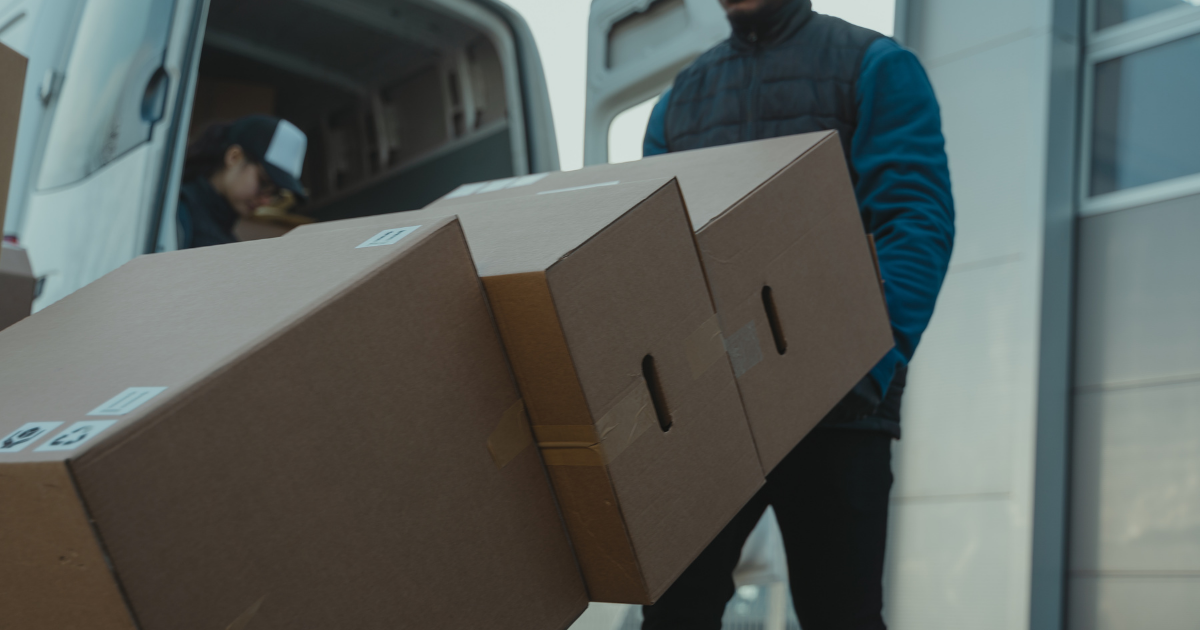
Read on to know what is local moving, how local movers charge, what services they offer, and what to check before hiring a moving company for your next move.
A local move may sound like the easy kind of move.
You are not crossing the country, so it is tempting to think you can load a truck, drive a short distance, and be done by lunch.
In reality, even a move across the same city can involve careful planning, packing, lifting, loading, transport, and unloading.
That brings us to the question of what is local moving exactly.
It is the process of hiring a moving company to transport household belongings from one nearby location to another, usually within the same city, county, or state.
For people looking for movers Raleigh NC, the difference between a local move and a long-distance move can also affect how the mover charges for the job.
Local moving rules, pricing, and consumer protections can vary depending on where you live.
Understanding how local moving works can help you plan the job, compare quotes, and avoid costs you did not expect.
What Is Local Moving?
Local moving means moving your belongings over a relatively short distance rather than relocating across state lines.
For example, you may be making a local move if you are:
- Moving to another apartment across town
- Moving from a house to a larger home nearby
- Relocating to another neighborhood
- Moving into a nearby condo
- Helping an older family member move locally
The exact definition can vary by state and moving company.
A certified mover must meet state requirements, including insurance and consumer protection rules.
An important distinction is that local does not always mean hourly.
In a state such as North Carolina, moves of 35 miles or less are generally charged using hourly rates, while qualifying moves of more than 35 miles can use weight-and-distance rates under the state’s Maximum Rate Tariff.
How Does a Local Move Work?
Most local moves follow a fairly predictable process.
1. You Request a Quote
First, you tell the mover where you are moving from, where you are going, and what you need help with.
The company may ask about:
- Number of rooms
- Amount of furniture
- Number of boxes
- Stairs or elevators
- Parking access
- Large or fragile items
- Packing needs
- Desired moving date
The more accurate the information, the better the company can estimate the work.
The Federal Trade Commission recommends getting written estimates from several movers and making sure the estimates include your belongings and the services you need.
2. You Choose Your Services
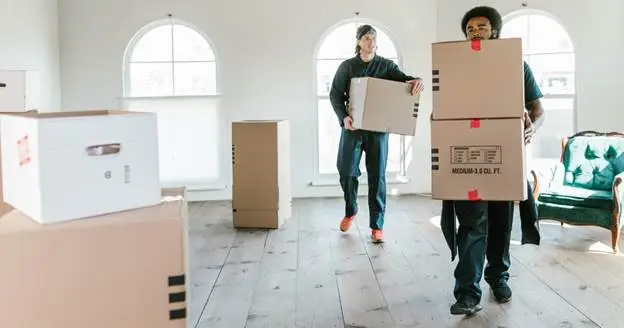
A local move does not always mean movers only carry boxes.
Depending on the company, you may be able to add:
- Packing
- Unpacking
- Furniture wrapping
- Loading
- Unloading
- Appliance preparation
- Furniture disassembly and reassembly
- Storage
- Specialty-item moving
Services such as packing, appliance handling, bulky items, long carries, and stairs or elevators may affect the total cost of a local move.
3. Movers Load the Truck
On moving day, the crew protects furniture and other items before carrying them to the truck.
A good loading process is more than putting everything wherever it fits.
Heavy furniture needs to be positioned properly, fragile items need protection, and boxes should be secured so they do not shift during the drive.
You should also check rooms, closets, garages, attics, and other areas before the truck leaves.
4. Your Belongings Are Transported
Once everything is loaded, the truck travels to the new property.
Because the distance is usually short, local moves may be completed on the same day.
However, the total time depends on the amount of property, traffic, stairs, parking, loading conditions, and the distance between homes.
5. Movers Unload and Place Items
At the new home, the crew unloads your belongings and may place furniture where you want it.
If furniture was disassembled by the movers, they may reassemble it as part of the agreed service.
You should check the condition of your belongings before the crew leaves.
How Much Does Local Moving Cost?
There is no single price for every local move.
The final cost can depend on:
- Number of movers
- Number of hours
- Travel time
- Amount of furniture
- Number of boxes
- Stairs and elevators
- Long carries
- Packing services
- Specialty items
- Additional stops
For some local moves, pricing may be based on the number of movers, vehicles, and time needed to complete the job.
This means reducing the amount of work can sometimes reduce your bill.
For example, you can:
Pack smaller items yourself: This may reduce labor time.
Remove unwanted belongings: Fewer items can mean less loading and unloading.
Prepare before the crew arrives: Have boxes sealed, labeled, and ready.
Reserve parking: Easy truck access can reduce wasted time.
How Is Your Belongings’ Protection Handled?
Before hiring a mover, ask what happens if something is damaged or lost.
Moving companies may offer different types of insurance and valuation protection, and these are not exactly the same thing.
The protection you choose can affect how a claim for lost or damaged belongings is handled.
Ask the mover:
- What protection is included?
- Is additional valuation available?
- Are high-value items covered differently?
- What is the claim process?
- Are self-packed items treated differently?
Do not wait until moving day to ask these questions.
How Can You Check a Local Moving Company?

Before hiring a moving company Raleigh NC residents can rely on, check more than online reviews.
Before hiring a local mover, check that the company is properly licensed or registered in your area.
State transportation agencies may provide directories or other information about regulated moving companies.
The FTC also recommends checking a moving company’s registration, reputation, reviews, complaints, licensing, and insurance information.
It advises consumers to get estimates in writing and avoid companies that demand large deposits or ask customers to sign paperwork with blank spaces.
For interstate moves, federal rules apply.
FMCSA defines an interstate move as transportation between states, and some moves that start and end in the same state can still be considered interstate if the shipment travels through another state.
Conclusion
So, what is local moving?
It is a professional service for transporting your belongings from one nearby home or location to another.
The process can include estimating, packing, loading, transportation, unloading, and optional services such as storage or furniture assembly.
The smartest approach is to look at the whole job rather than focusing only on the advertised price.
Check the mover’s credentials, understand how the quote is calculated, ask what protection is available, and make sure extra services are explained before moving day.
When you know what the job involves, you can choose a mover based on the actual work your move requires rather than simply choosing the cheapest number on a quote.