How to Start a Drywall Contractor Business : Costs & Steps
Learn how to start a drywall contractor business, from licensing and insurance to tools, pricing, hiring, marketing, and getting your first jobs.
Starting a drywall business may look like a matter of buying tools and finding a few jobs.
It is not.
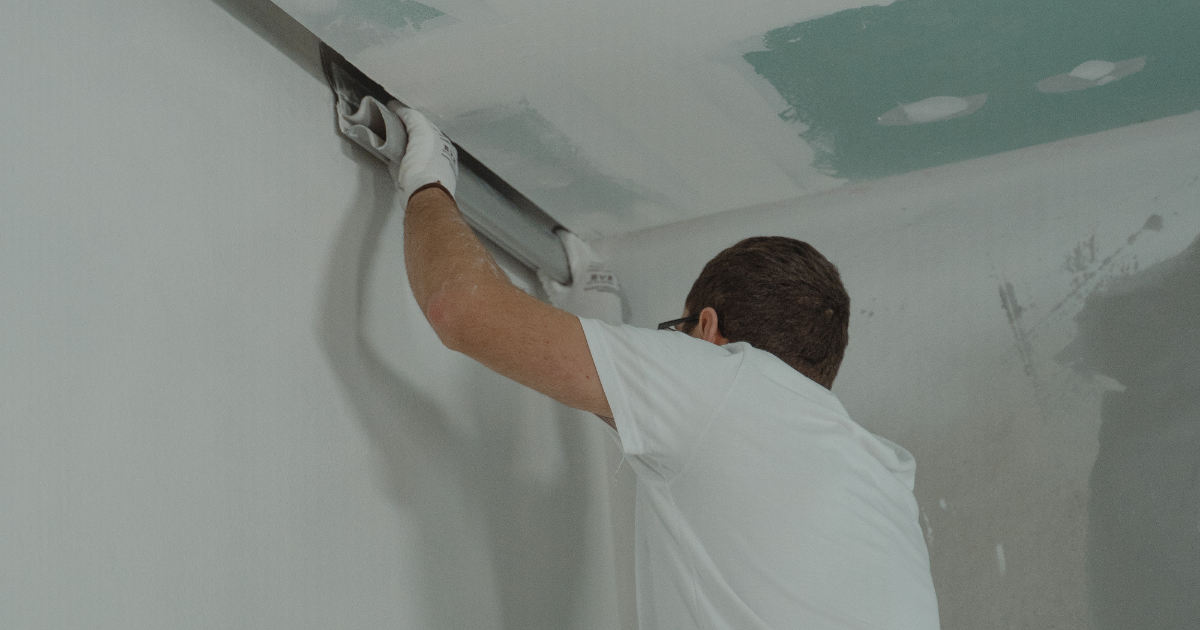
Hanging drywall, taping joints, and sanding compound are only part of the work.
When you learn how to start a drywall contractor business, you also need to think about licensing, insurance, pricing, taxes, safety, scheduling, and getting paid on time.
A skilled installer can do excellent work and still struggle if the business charges too little or takes on jobs without a written scope.
The opposite is also true: good business systems can help turn solid trade skills into steady work.
Whether you plan to work alone or build a crew, your drywall business needs a plan before the first customer signs a contract.
The steps below cover the practical decisions that can help you start on a stronger footing and avoid expensive mistakes.
1. Build Your Drywall Skills First
Before worrying about marketing, make sure you can deliver consistent work.
A drywall contractor may handle:
- Measuring and cutting sheets
- Hanging wall and ceiling panels
- Taping seams
- Applying joint compound
- Sanding
- Installing corner bead
- Matching textures
- Repairing damaged drywall
- Finishing surfaces for paint
Good finishing matters.
A wall can look fine before paint but show every uneven joint once light hits it.
If you are new to the trade, spend time working under an experienced installer before taking on large projects alone.
2. Decide What Drywall Services You Will Offer
You do not have to offer every service on day one.
You might start with:
- New drywall installation
- Drywall repair
- Ceiling drywall
- Taping and finishing
- Texture matching
- Water-damaged drywall replacement
- Residential remodeling
Starting with a focused service list can make estimating, buying tools, and marketing easier.
As your skills and customer base grow, you can add larger commercial or remodeling projects.
3. Register the Business
Your legal setup is an important part of how to start a drywall contractor business.
The U.S. Small Business Administration recommends choosing a business structure, registering the business, getting tax IDs when required, opening a business bank account, and getting appropriate insurance.
Your choices may include:
- Sole proprietorship
- LLC
- Partnership
- Corporation
The right structure depends on your situation and location, so consider speaking with a qualified tax or legal professional.
Keep business money separate from personal money.
A dedicated business bank account also makes it easier to track job costs and profit.
4. Check Contractor Licenses and Permits
Do not assume you can start taking jobs immediately after registering your company.
Construction licensing and permit rules can vary by state, county, and city.
The SBA notes that construction is commonly regulated at the state and local level, and requirements depend on your location and business activity.
Before accepting paid work, check:
- Contractor license requirements
- Local business registration
- Permit rules
- Bond requirements
- Renewal dates
- Any limits on the type or value of work you can perform
This step can prevent a costly problem later.
5. Get the Right Insurance
Drywall work involves property, tools, vehicles, employees, and customers.
An accident can become expensive quickly.
Recent research lists general liability insurance as common coverage that can help protect a business from financial losses related to bodily injury and property damage.
Insurance requirements also vary by state.
Depending on your setup, you may also need coverage for:
- Workers’ compensation
- Commercial vehicles
- Tools and equipment
- Business property
Ask an insurance professional about coverage that fits your actual work.
6. Buy the Right Tools
You do not need every tool available when starting.
A basic drywall setup may include:
- Utility knives
- Drywall saws
- Screw guns or drills
- Taping knives
- Mud pans
- Sanding tools
- Ladders
- T-square
- Measuring tools
- Drywall lifts for larger jobs
- Dust-control equipment
Buy tools based on the jobs you plan to take.
Spending heavily on equipment before you have steady work can put unnecessary pressure on your cash flow.
7. Take Dust and Job-Site Safety Seriously
Drywall finishing creates dust, especially during sanding.
NIOSH notes that workers sanding joint compound can be exposed to high dust levels, and some products can contain respirable silica.
OSHA’s construction silica standard requires covered employers to limit worker exposure to respirable crystalline silica and use required exposure-control measures where applicable.
Use appropriate dust controls, ventilation, protective equipment, and safe work practices.
Also keep the job site clean so workers and other trades are less likely to trip or damage finished surfaces.
8. Learn How to Price Drywall Jobs
Pricing is one of the biggest parts of how to start a drywall contractor business.
Don’t price a job based only on the number of drywall sheets.
Your estimate may need to include:
Materials: Sheets, screws, tape, compound, corner bead, texture, and other supplies.
Labor: Hanging, taping, finishing, sanding, cleanup, and repairs.
Job conditions: High ceilings, tight spaces, stairs, difficult access, and occupied homes can increase labor time.
Overhead: Insurance, vehicles, fuel, tools, office costs, taxes, and marketing.
Profit: Your price needs room for profit after you pay all business costs.
Put the scope in writing. State what is included, what is not included, the payment schedule, and how changes will be handled.
9. Find Your First Customers
Once your business is ready, focus on customers who already need drywall work.
Potential sources include:
- General contractors
- Remodeling companies
- Home builders
- Property managers
- Real estate investors
- Homeowners
- Restoration companies
Build a small portfolio of quality work.
Before-and-after photos can help potential customers see what you actually do.
You can also create a business website and a Google Business Profile so local customers can find your services when searching for drywall contractors.
10. Know Your Numbers

A busy drywall contractor isn’t automatically profitable.
Track each job’s:
- Estimated labor hours
- Actual labor hours
- Material cost
- Subcontractor cost
- Travel cost
- Total invoice
- Final profit
If you repeatedly finish jobs for less profit than expected, your estimates need attention.
This is one of the biggest differences between doing drywall work and running a drywall company.
Conclusion
Learning how to start a drywall contractor business is about more than installing drywall.
You need trade skills, legal compliance, insurance, proper tools, accurate estimates, safe work practices, and a reliable way to find customers.
Start with manageable projects, track every cost, protect your business, and build your reputation through consistent artistry.
As your systems improve, you can take on larger projects and build a crew without losing control of quality or profit.