Can Dental Implants Cause Sinus Problems?

Can dental implants cause sinus problems? Learn the causes, warning signs, risk factors, and treatment options for sinus issues after implant surgery.
Replacing a missing tooth can help you chew comfortably and smile with confidence.
However, if you need an implant in your upper jaw, you may wonder whether the procedure could affect your sinuses.
Can dental implants cause sinus problems? Yes, although serious complications are uncommon when treatment is properly planned.
Your upper back teeth sit close to the maxillary sinuses, which are air-filled spaces behind your cheeks.
In some people, only a thin layer of bone separates the tooth area from the sinus. This makes implant placement more challenging when bone is limited.
The risk depends on several factors, including your sinus health, available bone, implant position, and whether you need a sinus lift.
Understanding these factors can help you make an informed decision about dental implants.
How Can Dental Implants Affect Your Sinuses?
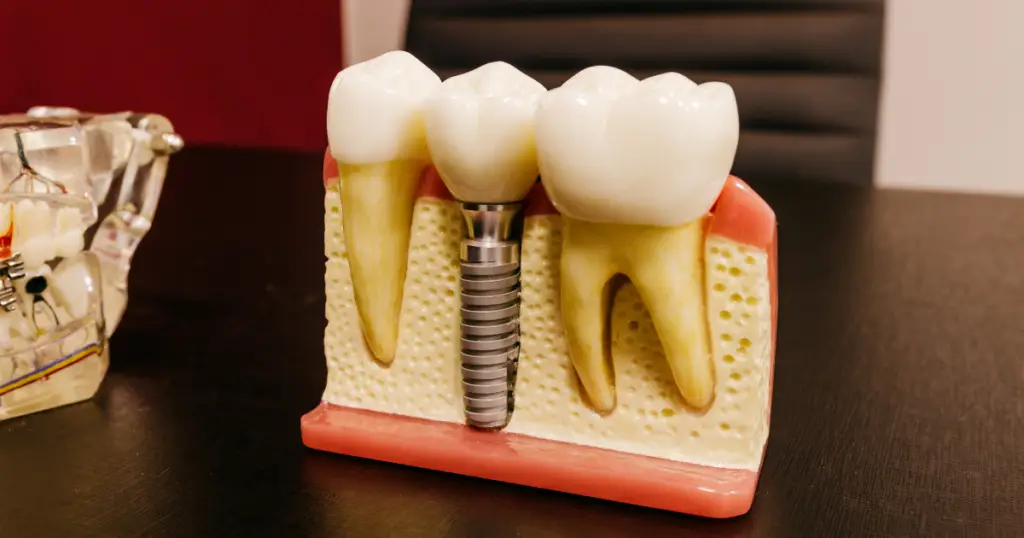
The maxillary sinuses sit above your upper back teeth. After tooth loss, the bone in this area may shrink, leaving less room for an implant.
Your dentist may recommend a sinus lift, a procedure that raises the sinus floor and adds bone when needed to support an implant.
Most patients heal without major sinus problems. However, complications can occur if the sinus membrane is damaged or an implant extends too far into the sinus.
Research published in PubMed found an association between implants that perforated the maxillary sinus and changes visible on sinus scans.
What Sinus Problems Can Occur?
Sinus changes do not always mean you have an infection. Some appear on scans without causing symptoms.
Possible problems include:
- Sinus inflammation: Swelling of the sinus lining.
- Sinusitis: Inflammation that may cause pain, pressure, or nasal discharge.
- Nasal blockage: Difficulty breathing through your nose.
- Cheek pressure: Discomfort around the upper jaw or cheekbones.
- Sinus membrane damage: An injury to the thin tissue lining the sinus.
- Implant displacement: Rarely, an implant may move into the sinus and require removal.
The American Association of Oral and Maxillofacial Surgeons identifies sinus involvement as a possible complication of upper-jaw implant surgery.
However, having sinus symptoms after surgery does not automatically mean the implant caused them. Allergies, a cold, and existing sinus disease can cause similar problems.
Can a Sinus Lift Cause Sinus Problems?
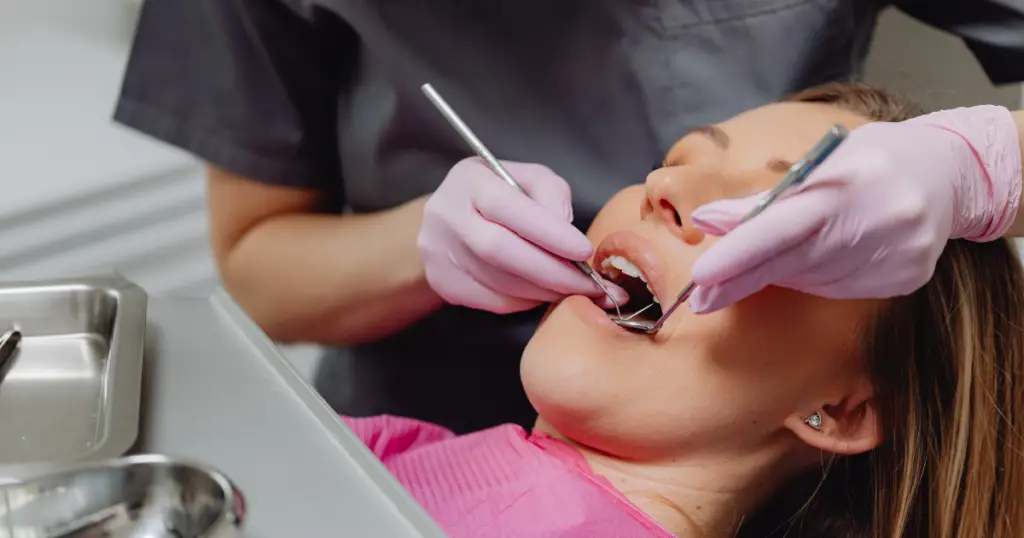
Yes. A sinus lift works close to the sinus lining, so inflammation or membrane damage can occur.
A review of sinus lift complications found that membrane perforation is a common complication during the procedure.
However, a tear does not automatically mean the implant will fail. The outcome depends on the size of the tear and how it is managed.
Sinusitis after a sinus lift appears to be uncommon. A 2023 systematic review and meta-analysis reported a pooled sinusitis rate of approximately 1.11% after sinus lift procedures.
Your surgeon will assess the condition of the sinus and decide whether treatment should continue, change, or be delayed.
What Are the Warning Signs?
Mild swelling and tenderness can occur after implant surgery. Symptoms that worsen or fail to improve deserve attention.
Contact your dentist if you experience:
- Persistent cheek pain or pressure
- Nasal blockage that does not improve
- Bad-smelling nasal discharge
- Fever or increasing facial swelling
- Repeated sinus infections on the implant side
- Pain that returns after initially improving
According to the NHS guide to sinusitis, sinusitis can also cause a runny nose, reduced sense of smell, headache, and toothache.
Seek urgent medical care if you develop swelling around your eye, vision changes, or a severe headache with other concerning symptoms.
Who Has a Higher Risk?
Your risk may increase if you have:
- Limited bone: There may not be enough bone to support an implant safely without additional treatment.
- Existing sinus disease: Chronic inflammation or a blocked sinus may need assessment before surgery.
- Smoking habits: Smoking can affect healing and has been linked to certain sinus changes in implant patients.
- A complex sinus lift: Additional surgery creates more opportunities for complications.
- Poor implant positioning: Incorrect placement can increase the risk of affecting nearby structures.
Your dentist should review your medical history and sinus health before recommending treatment.
How Can Dentists Reduce the Risk?
Careful planning helps lower the chance of sinus complications.
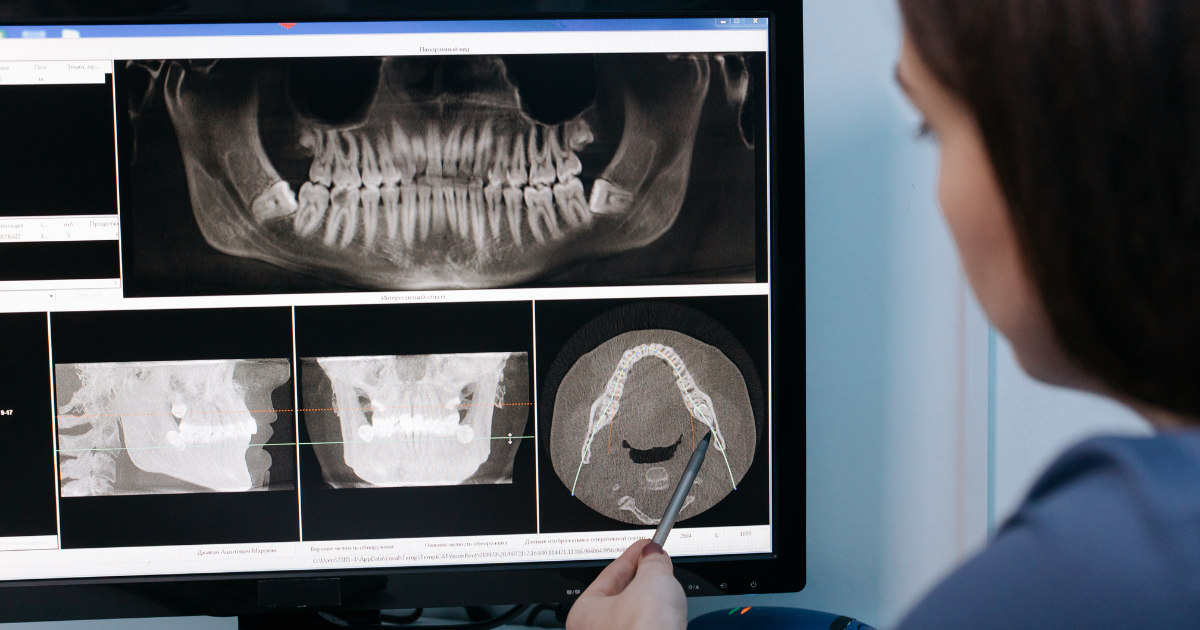
Your dentist may use regular dental X-rays or cone-beam computed tomography (CBCT) to examine:
- The amount of bone available
- The position of the sinus floor
- The planned implant depth and angle
- Existing sinus changes
- Nearby teeth and other structures
CBCT provides a three-dimensional view of the jaw, which can help the dentist plan implant placement more accurately.
If you already have sinus symptoms, tell your dentist before surgery. An ear, nose, and throat (ENT) specialist may need to assess you if your symptoms suggest ongoing sinus disease.
What If You Already Have Sinus Problems?
Existing sinus problems do not automatically prevent you from getting dental implants.
Your treatment depends on the cause and severity of the problem. Your dentist may recommend treating active sinus disease first, adjusting the implant plan, or seeking advice from an ENT specialist.
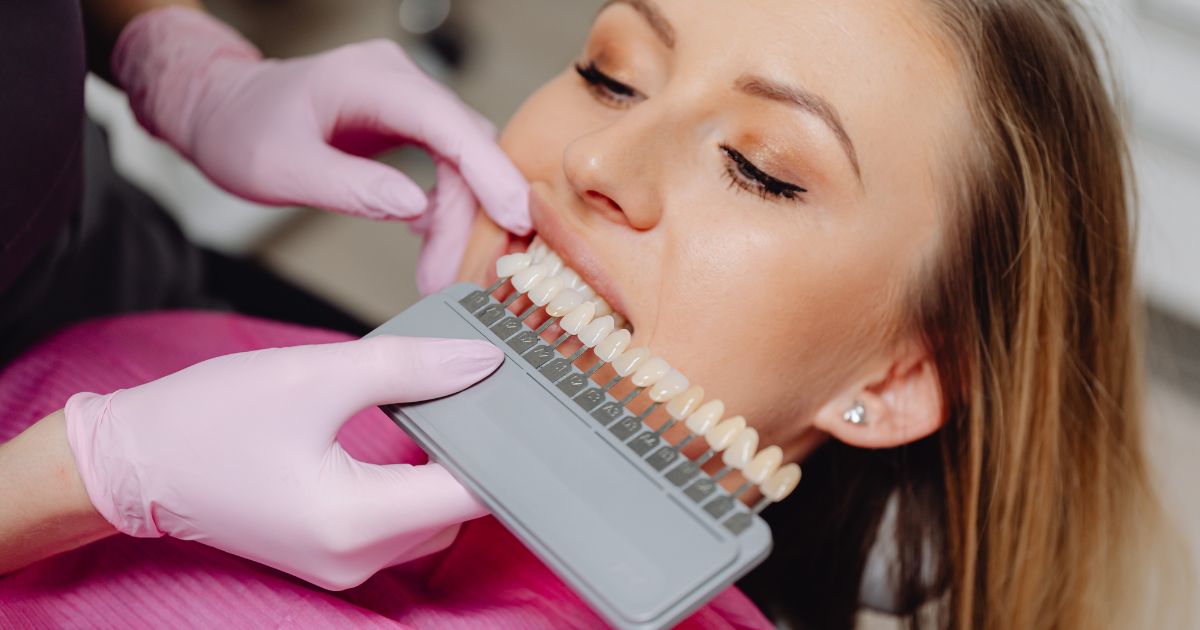
A cosmetic dentist may help plan the appearance of your replacement teeth, while an oral surgeon or qualified implant dentist may handle the surgical procedure. An orthodontist focuses on correcting tooth and jaw alignment.
The right professional depends on your needs and the complexity of your case.
When Should You See a Dentist?
Arrange an examination if sinus symptoms begin after implant surgery, especially if they are getting worse or keep returning.
Your dentist may examine the implant, review dental scans, and check whether the sinus is involved.
Depending on the findings, treatment may include medication, specialist care, or a procedure to correct the problem.
Do not take leftover antibiotics or remove an implant without professional advice.
Conclusion
Can dental implants cause sinus problems? Yes, particularly when an upper-jaw implant affects the maxillary sinus or a sinus lift leads to complications.
However, most properly planned procedures do not cause serious sinus trouble.
If you develop persistent cheek pressure, nasal blockage, unusual discharge, or repeated infections after surgery, arrange an assessment.
Your symptoms may be related to the implant, but another condition could be responsible.
A dental examination and suitable imaging can help identify the cause and guide the right treatment.