Is Cosmetic Dentistry a Specialty? A Dental Guide
Is cosmetic dentistry a specialty? Learn about dental qualifications, cosmetic treatments, recognized specialties, and how to choose the right dentist.
A healthy smile does more than improve your appearance. It helps you chew, speak, and feel comfortable around other people.
But when you want to fix stained teeth, close small gaps, or replace a missing tooth, choosing the right dental professional can be confusing.
You may see dentists offering veneers, teeth whitening, Invisalign, and complete smile makeovers.
This often raises an important question: is cosmetic dentistry a specialty? In the United States, cosmetic dentistry is not one of the dental specialties formally recognized by the American Dental Association (ADA).
However, general dentists can receive additional training and gain experience in cosmetic procedures.
The difference matters because not every dentist offers the same treatments or has the same level of experience.
Before you commit to a procedure, it helps to know what a cosmetic dentist does, which qualifications matter, and when you may need a recognized dental specialist.
Is Cosmetic Dentistry a Specialty?
No. In the United States, cosmetic dentistry is an area of dental practice, not a formally recognized dental specialty.
The American Dental Association’s National Commission recognizes 12 dental specialties, including orthodontics, periodontics, prosthodontics, and oral and maxillofacial surgery. Cosmetic dentistry is not among them.
This does not mean cosmetic dentistry lacks value. It means there is no separate ADA-recognized specialty in cosmetic dentistry.
A licensed general dentist may provide cosmetic treatments after completing the necessary education and training.
The dentist’s experience with each procedure is what you should check before choosing treatment.
What Does a Cosmetic Dentist Do?
A cosmetic dentist focuses on improving the appearance of your teeth and smile. Depending on their training and services, treatments may include:
- Teeth whitening: Reduces stains and discoloration.
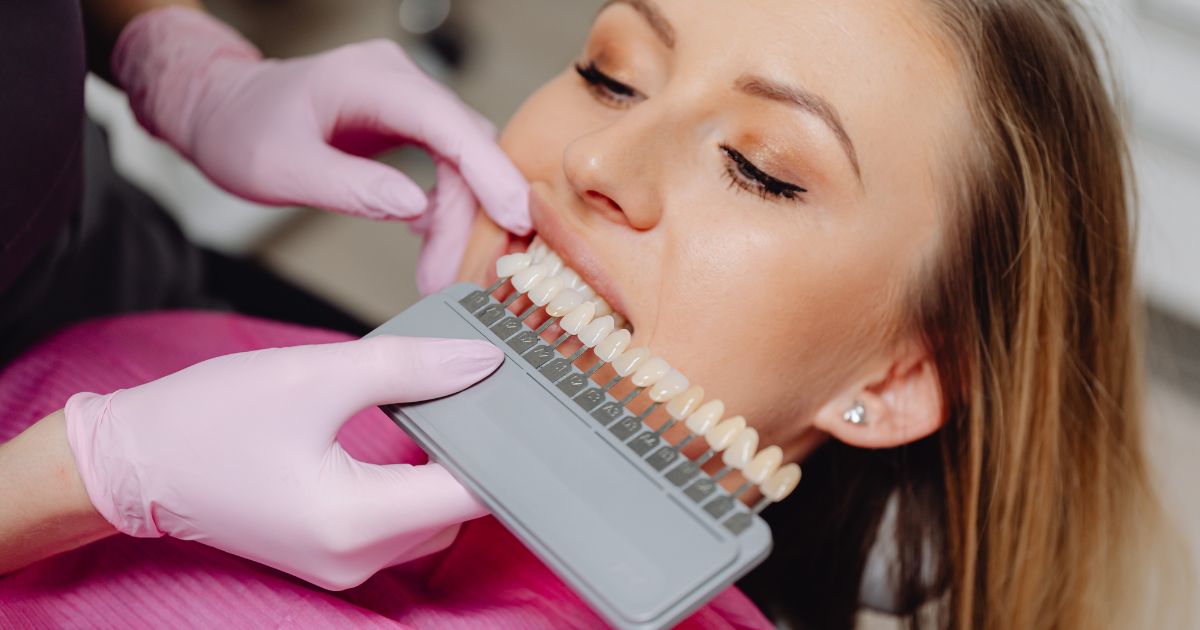
- Dental veneers: Cover the front surfaces of teeth to change their shape, color, or size.
- Dental bonding: Uses tooth-colored material to repair small chips or gaps.
- Dental crowns: Cover damaged teeth and restore their shape and function.
- Dental implants: Replace missing teeth with artificial tooth roots and replacement teeth.
- Invisalign: Uses clear aligners to move teeth into better positions when suitable.
Some procedures are mainly cosmetic, while others also restore tooth function.
Your dentist should explain the purpose, benefits, risks, and limits of each treatment.
Why Is Cosmetic Dentistry Not a Recognized Specialty?

Cosmetic dentistry includes procedures that overlap with several established dental fields.
For example, orthodontics focuses on correcting tooth and jaw alignment.
Prosthodontics deals with restoring and replacing teeth. Periodontics focuses on gum health and the tissues that support your teeth.
A smile makeover may involve one or several of these areas. Because cosmetic dentistry covers different procedures rather than one separate field of dental care, it is not currently recognized as an independent specialty by the ADA’s National Commission.
You can read the official list of recognized dental specialties for further details.
Does a Cosmetic Dentist Need Extra Training?
A general dentist must complete the education and licensing requirements needed to practice dentistry.
However, dentists may pursue additional courses, workshops, and hands-on training in cosmetic procedures.
For example, a dentist may receive further training in veneer placement, smile design, dental bonding, or clear aligner treatment.
This additional training can be valuable, but it does not automatically make the dentist a recognized specialist.
When choosing a dentist, ask about:
- Training related to your planned procedure.
- Experience treating cases like yours.
- Before-and-after photographs of actual patients, with appropriate consent.
- Possible risks, maintenance needs, and other treatment options.
A responsible dentist should explain what a procedure can achieve without promising a perfect result.
Cosmetic Dentist vs. Orthodontist
A cosmetic dentist and an orthodontist may both help improve your smile, but their training and focus differ.
An orthodontist is a recognized dental specialist who receives additional training in correcting tooth alignment and bite problems.
A cosmetic dentist may offer Invisalign or other clear aligners, depending on their training and the complexity of your case.
If you have severely crowded teeth, a significant overbite, or a jaw alignment problem, ask whether an orthodontist should assess your condition.
Choosing treatment based on appearance alone may not address the underlying problem.
When Do You Need a Dental Specialist?
The right professional depends on your oral health and the treatment you need.
- For gum disease: A periodontist may be appropriate for complex gum conditions.
- For missing or damaged teeth: A prosthodontist may help with complex tooth replacement or restoration.
- For major alignment problems: An orthodontist may be the right choice.
- For complex oral surgery: An oral and maxillofacial surgeon may be needed.
Dental implants are a good example of treatment that may involve several professionals.
Your care team may include a general dentist, periodontist, oral surgeon, or prosthodontist, depending on your needs.
Not everyone needs a specialist. A qualified general dentist may handle many routine cosmetic and restorative procedures.
How Do You Choose the Right Cosmetic Dentist?

Before booking treatment, take these steps:
- Check the dentist’s license. Confirm that the dentist is licensed to practice in your location.
- Ask about relevant experience. Find out how often they perform the procedure you want.
- Discuss your oral health. Tooth decay and gum disease may need treatment before cosmetic work begins.
- Compare treatment options. Ask whether less invasive treatments could meet your goals.
- Understand the costs and risks. Ask about expected results, future repairs, and ongoing care.
A trustworthy dentist will put your oral health first and refer you to a specialist when your case requires additional skills.
Conclusion
So, is cosmetic dentistry a specialty? In the United States, no. It is an area of dental practice rather than an ADA-recognized dental specialty.
However, dentists can develop valuable skills through further training and clinical experience.
Your best choice depends on the treatment you need, the dentist’s qualifications, and the complexity of your case.
Before agreeing to cosmetic work, ask questions, compare your options, and make sure the treatment supports both your smile and your long-term oral health.