How Often Dental Cleaning Is Really Needed and Why Timing Matters
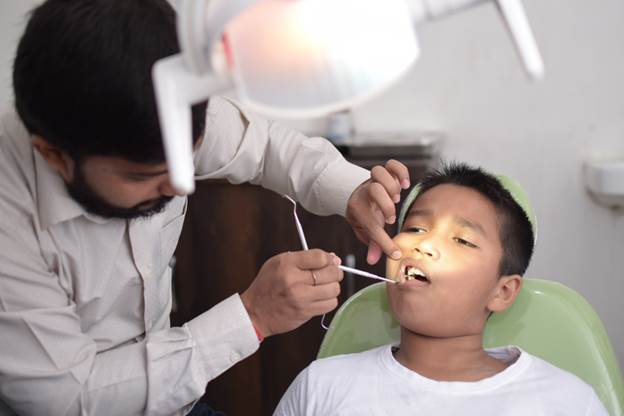
Wondering how often dental cleaning is needed for healthy teeth and gums? Learn the ideal schedule, what affects it, and why skipping cleanings can cause problems.
Most people know dental cleanings are important. What they are not sure about is timing. Some hear every six months.
Others think once a year is fine.
A few only go when something hurts. This confusion leads to missed care and bigger problems down the road.
I have worked closely with dental content and real patient journeys for years, and one pattern keeps showing up.
People who understand how often dental cleaning is needed tend to avoid serious dental issues. People who guess usually do not.
Let’s break this down in a clear, simple way so you know what actually makes sense for your teeth and gums.
Why Dental Cleanings Matter More Than You Think
Dental cleanings do more than make your teeth look nice. They remove plaque and tartar that brushing and flossing cannot fully handle.
Over time, plaque hardens into tartar. Once that happens, only professional tools can remove it. If tartar stays in place, it irritates gums and opens the door to gum disease.
Regular cleanings help prevent cavities, gum disease, and tooth loss. This is not about perfection. It is about consistency.
The Standard Recommendation Most People Hear
The most common advice is simple. Get a dental cleaning every six months.
This schedule works well for many people because:
- Plaque buildup stays under control
- Gum health can be monitored
- Small problems are caught early
- Visits stay short and comfortable
In my experience, patients who stick to twice yearly cleanings usually avoid deep cleanings and major procedures later on.
Why Six Months Is Not a Rule for Everyone
Here is where things get more personal. Six months is a guideline, not a strict rule.
Some people need cleanings more often due to:
- Gum disease history
- Heavy plaque buildup
- Smoking
- Diabetes
- Dry mouth
- Weakened immune system
Others with excellent oral hygiene and low risk may do well with slightly longer gaps, as advised by their dentist.
The key point is that cleaning frequency should be based on your mouth, not just the calendar.
How Gum Health Changes the Schedule
Gum health plays a big role in how often dental cleaning is needed.
If gums are healthy:
Six month cleanings often work well
If early gum disease is present:
Cleanings may be recommended every three to four months
If advanced gum disease exists:
Specialized periodontal cleanings may be needed
Untreated gum disease can progress quietly and lead to bone loss. Regular cleanings help stop that process early.

What Happens During a Routine Dental Cleaning
Understanding what actually happens during a cleaning helps explain why timing matters.
A typical cleaning includes:
- Removing plaque and tartar
- Polishing teeth
- Gum health checks
- Oral cancer screening
- Advice on brushing and flossing
If cleanings are skipped, tartar builds up and cleanings become longer and less comfortable. I have seen patients shocked by how different a cleaning feels after missing several years.
What Happens If You Wait Too Long Between Cleanings
Skipping cleanings does not usually cause pain right away. That is why people delay them.
Over time, you may notice:
- Bleeding gums
- Bad breath that does not go away
- Tooth sensitivity
- Gum recession
- Cavities
By the time pain shows up, treatment is often more involved.
Preventive dental care costs significantly less than restorative treatment. Waiting rarely saves money.
Can You Get Cleanings Too Often?
This is a common concern, but it is usually not an issue.
For people with gum disease or higher risk, more frequent cleanings are safe and helpful. Dentists adjust tools and techniques to protect enamel and gums.
Problems usually come from skipping cleanings or not attending them often enough under professional guidance.
Age and Dental Cleaning Frequency
Age also plays a role.
Children and teens:
- Often do well with six month cleanings
- Benefit from early habit building
Adults:
- May need more frequent visits depending on gum health
Older adults:
- Often require closer monitoring due to gum recession and dry mouth
Dental needs change over time. Cleaning schedules should change too.
How Lifestyle Affects Cleaning Needs
Daily habits matter more than many people realize.
Factors that increase cleaning needs include:
- Smoking or vaping
- High sugar diets
- Acidic drinks
- Poor brushing habits
- Grinding teeth
Dentists factor these into recommendations. This is why two people with similar teeth may get different advice.
Why Starting With a Dentist Matters
Many people search online for Dentist near me NYC when it has been years since their last cleaning. That first visit helps reset everything.
A dentist can:
- Check gum health
- Identify risk factors
- Recommend the right cleaning schedule
- Prevent unnecessary procedures
Practices like Smile Café Dental Spa follow this approach by focusing on complete exams before deciding how often cleanings should happen.
Dental Cleaning vs Deep Cleaning
Not all cleanings are the same.
Routine cleaning:
- For healthy gums
- Focuses above the gumline
Deep cleaning:
- For gum disease
- Cleans below the gumline
- May require multiple visits
Regular routine cleanings reduce the chance of ever needing deep cleaning.
The Long Term Benefits of Staying on Schedule
Staying consistent with cleanings helps:
- Keep gums healthy
- Prevent tooth loss
- Reduce dental anxiety
- Lower long term costs
- Maintain fresh breath
I have seen patients transform their oral health simply by sticking to a schedule that fits their needs.

Why One Size Never Fits All
The biggest mistake people make is assuming everyone needs the same schedule.
Dental cleaning frequency depends on:
- Gum health
- Oral hygiene habits
- Medical conditions
- Lifestyle choices
A dentist looks at the full picture, not just your teeth.
Final Thoughts
So, how often dental cleaning is really needed depends on you.
For many people, every six months works well. For others, more frequent care protects gums and prevents bigger problems.
What matters most is not guessing or waiting for pain. Regular cleanings are one of the easiest ways to protect your teeth for life.
If it has been a while, start with an exam, get honest guidance, and build a schedule that keeps your smile healthy without stress.