Are Pottery Classes Expensive? The Real Costs
Are pottery classes expensive? Learn real prices, what affects cost, and simple ways you can save money before you book a class.
Are pottery classes expensive? Yes, they can be, but not always. You can find options for most budgets, from low-cost group classes to higher-priced private sessions.
If you’ve been eyeing private pottery classes and wondering if they’ll break your budget, you’re not alone.
I’ve taken pottery classes in different cities, and the price can feel confusing at first.
Once you understand what you’re paying for, it starts to make sense.
Let’s walk through it together.
What pottery classes usually cost
Most pottery classes fall into a clear price range. The cost depends on the type of class, the length, and what’s included.
Here’s what you’ll often see:
- Group pottery classes: $40–$90 per session
- Multi-week courses: $250–$500 for 6–8 weeks
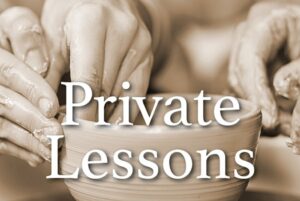
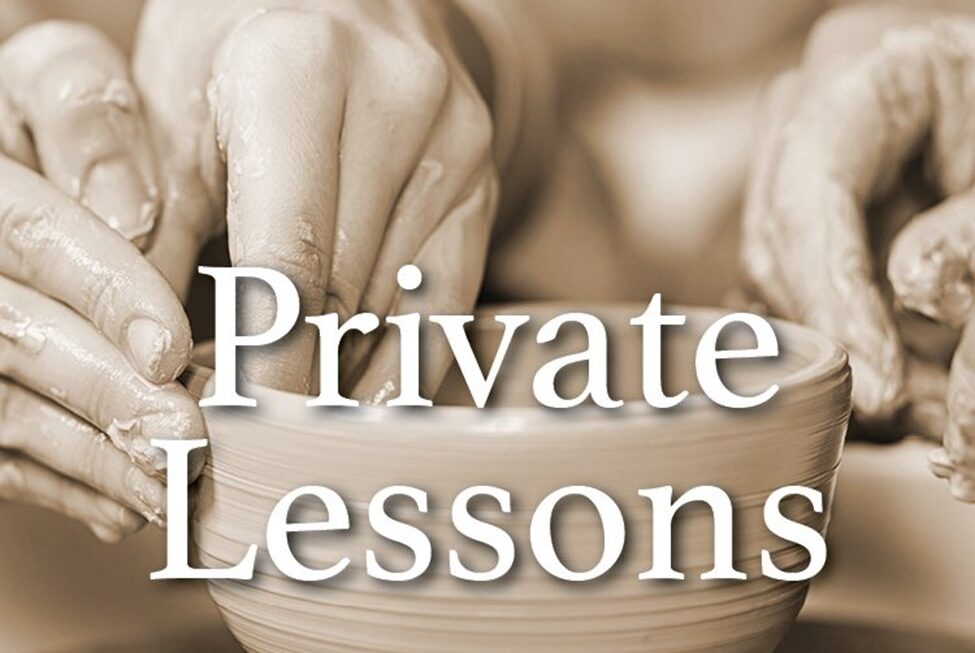
- Private pottery classes: $80–$200+ per session
According to class listings on platforms like ClassBento and CourseHorse, prices stay within these ranges in most cities.
You’re not just paying for clay. You’re paying for tools, space, instruction, and firing your work in a kiln.
Why pottery classes cost what they do
When I first tried pottery, I thought, “It’s just clay, right?” I learned fast that there’s more behind the scenes.
Here’s what your money covers:
- Studio rent: Pottery studios need space and ventilation
- Equipment: Wheels and kilns are expensive and need care
- Materials: Clay, glazes, and tools add up
- Instructor time: Skilled teachers don’t come cheap
- Firing costs: Kilns use a lot of electricity
The Craft Industry Alliance explains that kiln firing alone can cost studios hundreds of dollars per month.
So while the price may look high, you’re paying for a full setup you couldn’t easily have at home.
Are private pottery classes more expensive?

Yes, private pottery classes usually cost more, but they offer more value for some people.
Here’s why they cost extra:
- One-on-one teaching
- Flexible scheduling
- Custom pace
- More wheel time
- Personal feedback
If you want fast progress or a quiet space, private lessons can be worth it. I once booked a private session after struggling in a group class.
In one hour, I learned more than I did in three group sessions.
You’re paying for focus and time.
Group classes vs private classes: cost comparison
Here’s a simple breakdown to help you decide:
| Type of Class | Average Cost | Best For |
| Group class | $40–$90 | Beginners, social learners |
| Multi-week course | $250–$500 | Skill building |
| Private class | $80–$200+ | Fast learning, special goals |
Group classes save money. Private classes save time.
What can make pottery classes more expensive?
Not all pottery classes cost the same. Prices change based on a few key things.
1. Location. Classes in big cities usually cost more. Rent and utilities are higher.
2. Class length. A 2-hour class costs more than a 1-hour session.
3. Instructor experience. Teachers with years of experience charge more, and often teach better.
4. Included materials. Some classes include clay, glazes, and firing. Others charge extra.
Always ask what’s included before you book.
Hidden costs you should ask about
This part matters. Some classes look cheap but cost more later.
Ask about:
- Clay limits: Is there a weight limit?
- Firing fees: Is kiln firing included?
- Glaze costs: Free or extra?
- Storage fees: How long can your work stay?
The Ceramic Arts Network notes that firing and glaze fees are common add-ons in many studios.
Knowing this upfront helps you avoid surprises.
Are pottery classes expensive for beginners?
For beginners, pottery classes are usually affordable and worth it.
Many studios offer:
- Intro classes
- Trial sessions
- Beginner bundles
These are cheaper and let you test pottery without a big commitment. My first class was a one-time intro session. It helped me decide if I wanted more without spending much.
If you’re new, start small.
How you can save money on pottery classes

You don’t have to pay top dollar to learn pottery. Here are smart ways to save.
- Look for off-peak classes. Weekday classes often cost less than weekends.
- Choose group classes. You’ll pay less and still learn the basics.
- Ask about packages. Studios often discount multi-class bundles.
- Bring a friend. Some studios offer group or couple discounts.
- Watch for promotions. Studios run seasonal deals or intro offers.
These small choices can cut your cost by 20–40%.
Are pottery classes worth the money?
This is where personal experience matters.
If you enjoy:
- Working with your hands
- Learning a new skill
- Relaxing without screens
- Making something real
Then pottery classes are often worth every dollar.
A study shared by Harvard Health shows that hands-on creative activities can lower stress and improve focus. That benefit alone can outweigh the cost for many people.
You’re not just paying for a class. You’re paying for time well spent.
Pottery classes vs DIY at home
Some people ask if learning at home is cheaper. In most cases, it’s not.
To set up at home, you’d need:
- A wheel ($600–$1,500)
- A kiln ($2,000+)
- Space and ventilation
- Ongoing power costs
For most people, classes are the smarter and cheaper option.
Conclusion: Are pottery classes expensive?
Pottery classes can be expensive, but they don’t have to be.
You can:
- Start small
- Choose group sessions
- Watch for deals
- Upgrade to private lessons when ready
Once you understand what you’re paying for, the cost feels fair.
If you’ve ever wanted to slow down, learn something new, and make something with your hands, pottery classes are a solid place to start.
And if you’re careful with your choices, you can enjoy pottery without stretching your budget.