What Is Dumpster Rental?
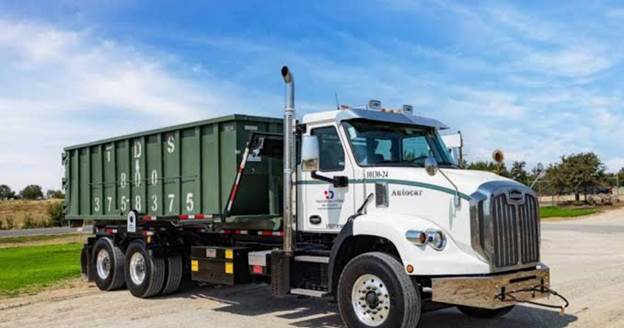
Learn what is dumpster rental, how dumpsters work, what you can put inside, how pricing works, and how to choose the right size for your project.
A dumpster is not just a giant trash can sitting outside a house. It is a rented container designed to hold a large amount of waste while you clean out, repair, remodel, or build something. That difference matters because regular garbage collection is often not designed for large amounts of construction debris, furniture, roofing materials, or other project waste.
So, what is dumpster rental? Dumpster rental is a service where a company delivers a waste container to your property for a set period. You fill it with approved materials, and the company later picks it up and takes the waste to an appropriate disposal, recycling, or processing facility. For example, someone planning a home cleanout may arrange a Buffalo dumpster rental instead of making many trips to a landfill or transfer station.
The right container depends on the type and amount of waste you expect to produce.
What Is Dumpster Rental?
Dumpster rental is a temporary waste removal service.
Instead of buying a container, you rent one for a specific project. The company usually:
- Delivers the dumpster.
- Places it in an agreed location.
- Leaves it for an agreed rental period.
- You fill it with approved waste.
- The company picks it up.
- The waste is taken to a disposal, recycling, or processing facility.
This can be useful for both homeowners and businesses.
For example, you might need a dumpster when:
- Cleaning out a house
- Remodeling a kitchen
- Replacing a roof
- Removing old flooring
- Cleaning up after a move
- Clearing a garage
- Removing storm debris
- Working on a construction project
- Cleaning out a commercial property
The main benefit is convenience. Instead of filling your regular trash bins for weeks, you have one larger container for the project.
How Does Dumpster Rental Work?
The process is usually fairly straightforward, but there are a few details worth checking before the dumpster arrives.
· Choose the Dumpster Size
Dumpsters come in different sizes. The right size depends on how much waste you have and what type of material you are throwing away.
A small home cleanout may need a smaller container, while a major renovation could require a much larger one.
If you underestimate the amount of waste, you may need another pickup or a larger container. If you rent one that is far too large, you may pay for space you never use.
· Choose Your Rental Period
You will normally agree on how long you need the container.
A short rental may work for a weekend cleanout. A larger renovation may require more time.
Ask what happens if you need the dumpster longer than planned. Some companies charge additional daily or weekly fees.
· Have the Dumpster Delivered
The container is delivered to your property.
Before delivery, check that there is enough room for the truck and container. You should also think about overhead wires, trees, gates and other obstacles.
The location matters more than people sometimes expect. A dumpster that blocks a driveway can quickly become a headache.
· Fill the Dumpster
Put only approved materials inside.
Do not assume that everything can go into the same container. Certain materials may require special handling.
· Schedule Pickup
Once the project is finished, the rental company collects the dumpster and takes the waste away.
Depending on the material, the load may go to a landfill, transfer station, recycling facility or another authorized waste facility.
What Can You Put in a Dumpster?
The answer depends on the dumpster company and local waste rules.
Commonly accepted materials may include:
- Household junk
- Furniture
- Cardboard
- Wood
- Drywall
- Flooring
- Roofing materials
- Yard debris
- Construction debris
- General non-hazardous waste
Construction and demolition waste can include materials such as concrete, brick, wood, drywall, roofing materials, metals and other debris. The New York State Department of Environmental Conservation (NYSDEC) regulates solid waste management facilities and waste streams across New York State.
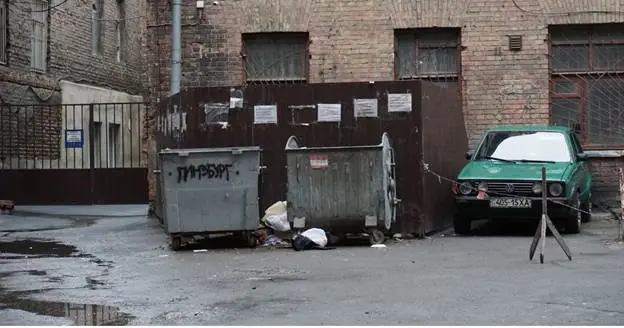
That means your dumpster is not simply a place to throw anything you want.
How Big of a Dumpster Do You Need?
Dumpster sizes are often measured in cubic yards.
A cubic yard is a measure of volume. It is roughly the amount of material that could fill a box measuring 3 feet wide, 3 feet long and 3 feet high.
Common rental sizes may include:
- 10-yard dumpsters: Smaller clean-outs, light remodeling and limited debris.
- 15-yard dumpsters: Medium clean-outs and renovation projects.
- 20-yard dumpsters: Larger household clean-outs and remodeling.
- 30-yard dumpsters: Bigger construction or commercial projects.
- 40-yard dumpsters: Large construction, demolition and major clean-outs.
These size categories can vary between rental companies.
The type of waste also matters. A dumpster filled with heavy concrete is very different from one filled with cardboard and household junk.
Weight limits may apply, especially for heavy materials.
What About Dumpster Rental in Buffalo NY?
If you are looking for Dumpster rental Buffalo NY services, local rules and disposal options should be part of your planning.
New York State regulates solid waste facilities, including landfills, transfer facilities and construction and demolition debris facilities. The NYSDEC solid waste facility information provides information about regulated facilities and waste management requirements.
The City of Buffalo’s official bulk trash guidance also shows that some materials, including construction debris, tires, paint and hazardous materials, should not simply be placed out as ordinary curbside waste.
This is one reason a dumpster can be useful for a larger project. It gives you a designated container rather than mixing project waste with normal household garbage.
However, always check the rental company’s accepted-material list before loading the container.
Is a Dumpster the Same as a Waste Management Service?
Not exactly.
A waste management service can cover a much wider range of activities, including collection, transportation, recycling, processing and disposal.
Dumpster rental is one specific service within the broader waste management process.
The U.S. Environmental Protection Agency (EPA) explains that municipal solid waste facilities can receive household and certain non-hazardous commercial waste, while transfer stations may temporarily hold waste before it moves to a landfill or another treatment or disposal facility.
So when you rent a dumpster, the container is only one part of the waste journey.
How to Choose a Dumpster Rental Service
Before booking a dumpster, ask a few practical questions.
· Ask About Size
Tell the company what you are removing and roughly how much waste you expect.
· Ask About Weight
Heavy materials can reach weight limits quickly.
· Ask About Prohibited Items
Get the list in writing if possible.
· Ask About Pricing
Find out what delivery, pickup, disposal and extra days cost.
· Ask About Rental Time
Know when the container will be delivered and when it needs to be removed.
· Ask Where the Waste Goes
A reputable provider should be able to explain its disposal or processing arrangements.
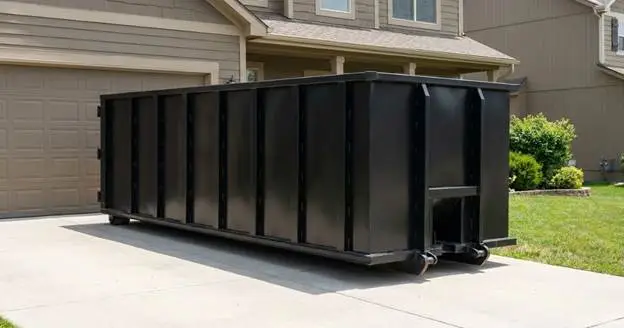
New York requires certain waste transporters to have the appropriate state permit or registration depending on the type and quantity of regulated waste being transported.
Final Thoughts
So, what is dumpster rental? It is a temporary container service that gives homeowners, contractors and businesses a convenient way to manage large amounts of project waste.
It can be useful for home clean-outs, remodeling, construction, roofing, moving and other jobs where regular garbage collection is not enough.
The important part is choosing the right size, knowing what materials are allowed, understanding the weight and rental limits, and checking local waste rules.
If you are arranging a dumpster for a project in Buffalo, also pay attention to New York State and local requirements. Waste is not treated the same, and hazardous or restricted materials may need a different disposal method.
A little planning before the dumpster arrives can prevent extra fees, delays and the classic “Where on earth am I supposed to put this?” moment halfway through your cleanup.