Can Tree Removal Be Capitalized? Tax Rules Explained
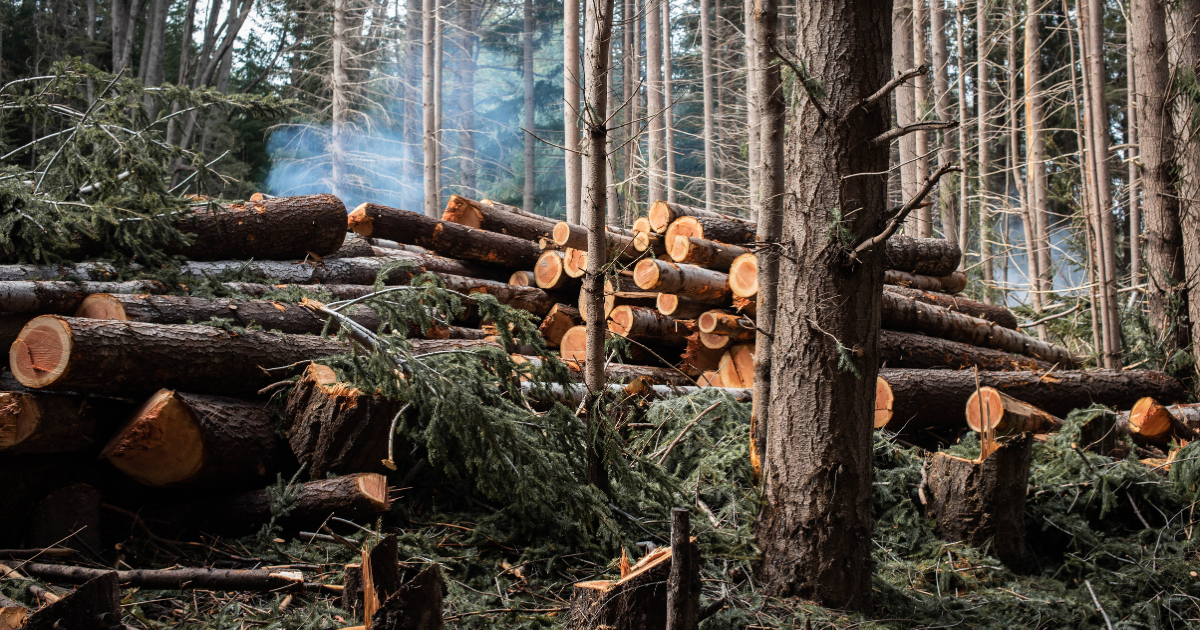
Can tree removal be capitalized? Learn when tree removal may be a capital cost, when it is a repair expense, and how tax rules can apply.
Tree removal may look like a routine property expense, but the tax treatment can be very different depending on why the tree was removed and what happens to the property afterward.
That is what leads many people to ask, can tree removal be capitalized?
Sometimes.
The answer depends on more than the tree alone.
It depends on the purpose of the work, the type of property, and whether the removal is part of a larger improvement.
For instance, removing a dead tree from an established property may be treated differently from clearing trees to prepare land for a new building.
The first may be an ordinary maintenance expense, while the second could be connected to an improvement or development project.
The IRS rules on improvements focus on whether an expense makes a betterment, restores property, or adapts it to a new use.
That distinction matters whether you are paying for tree removal at a rental property, business site, or newly purchased land.
Can Tree Removal Be Capitalized?
Yes, you can capitalize tree removal in some situations, but it is not automatically a capital expense.
The question is why you paid for the removal.
If the work improves or prepares the property for a new use, you may need to add the cost to the property’s basis.
If it is routine work to maintain an existing property, it may be treated differently.
Under federal tax rules, an improvement generally involves a betterment, restoration, or adaptation to a new or different use.
This means you should look at the entire project, not just the tree removal invoice.
When Tree Removal May Be Capitalized
Tree removal is more likely to be treated as a capital cost when it is directly connected to a larger property improvement.
Clearing Land for New Construction
Suppose you buy land to build a commercial building.
You must remove several trees before construction can begin.
The removal may be part of the overall cost of preparing the property for its intended use.
The IRS explains that direct costs of an improvement, along with certain indirect costs that directly benefit or arise because of the improvement, may need to be capitalized.
Preparing Land for a New Use
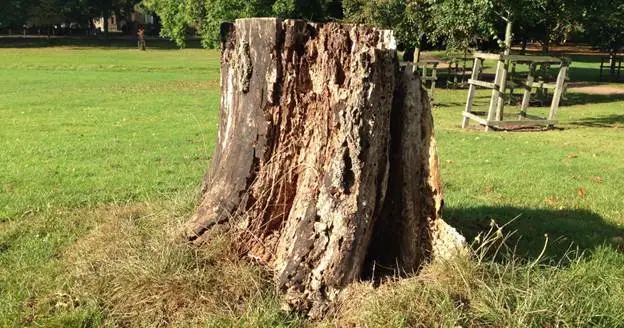
The situation can also change when land is being adapted for a new purpose.
For example, a property might be cleared to create:
- A building site
- A parking area
- An access road
- A new development area
- Another permanent improvement
The key issue is the connection between the tree work and the property’s new use.
Recent reports tells that costs to adapt a property to a new or different use can be treated as improvements.
When Tree Removal May Be a Current Expense
Not every tree removal project improves the property for tax purposes.
For example, imagine you own an established rental property and a large dead tree becomes a safety concern.
You hire a tree service to remove it and clean up the area.
Depending on the facts, that work may be viewed as maintenance rather than a capital improvement.
The IRS generally distinguishes repairs and maintenance from improvements.
Repairs that do not improve the property are generally deductible business expenses, while qualifying improvements must be capitalized.
The exact treatment depends on the property and circumstances, so don’t assume every tree-related invoice is treated the same way.
Why the Reason for Removal Matters
Two people could pay a tree service to remove similar trees and potentially receive different tax treatment.
Consider these examples:
Example 1: Dead tree on an existing rental property
A dead tree threatens a tenant’s home and needs to be removed.
The work mainly maintains the existing property.
Example 2: Trees removed for a new building
An owner removes several trees because the land is being prepared for construction.
Example 3: Trees removed for a new parking area
An existing business removes trees as part of a larger project to create a permanent parking area.
The second and third situations are more closely connected to a property improvement than the first.
However, the final tax treatment depends on the complete facts and applicable tax rules.
What About Landscaping and Land Improvements?
Tree work can become part of a larger landscaping or land improvement project.
The IRS lists landscaping, driveways, walkways, fences, retaining walls, and sprinkler systems among examples of improvements for certain rental property situations.
That does not mean every tree removal or landscaping bill must be capitalized.
Instead, it shows why the nature of the overall property project matters.
Keep records showing what work was done, why it was done, and how it relates to the property.
Does the Property Type Matter?
The answer may differ depending on whether you are dealing with:
- A personal residence
- Rental property
- Commercial property
- Investment property
- Land held for development
- Property used in a business
The type of property plays a key role in determining whether you can capitalize tree removal costs or deduct them immediately.
Different rules may apply depending on whether the property is residential, commercial, or held for development, as each has distinct tax treatment considerations.
The IRS has specific rules for different types of property.
For example, its rental property guidance explains that improvements must generally be capitalized, while qualifying repairs and maintenance may be deducted.
That is why a tree removal expense should not be classified based only on the invoice description.
Conclusion
So, can tree removal be capitalized?
Yes, it can be, particularly when the removal is directly connected to a capital improvement, land development, or adapting property to a new use.
But tree removal performed as routine maintenance, or to keep an existing property in normal condition, may be treated differently.
The safest approach is to document why the trees were removed, how the property was used, and whether the work was part of a larger improvement.
Because capitalization affects depreciation, basis, and possibly future tax calculations, consult a qualified tax professional before deciding how to report a significant tree removal expense.