When Cannabis Plant Is Ready to Harvest: Key Signs to Watch
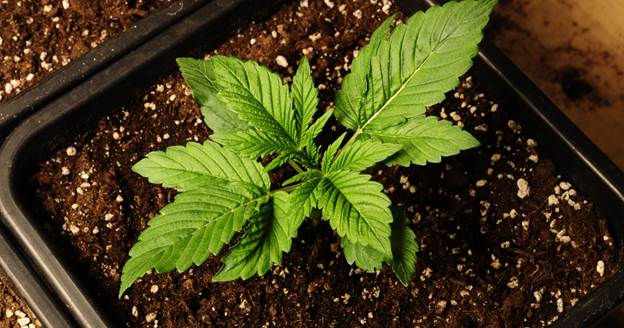
Learn when cannabis plant is ready to harvest by checking trichomes, pistils, flowering time, plant health, and signs of maturity.
A cannabis plant can look finished before it is actually ready. The buds may be large, the smell may be strong, and the white hairs may start changing color.
But those signs alone do not always mean it is time to harvest.
Knowing when cannabis plant is ready to harvest takes a little more care because different strains mature at different rates.
The flowering time can also change based on growing conditions and genetics.
Research has found that trichome development can vary between cannabis genotypes and even between different parts of the same flower.
For someone growing a legal cannabis plant, it helps to look at several signs instead of relying on one.
You can also learn more about cannabis products and legal availability from a local cannabis store.
Now, let’s look at the signs that can help you judge whether the plant has reached maturity.
The Most Important Sign: Trichomes
If you want to know when cannabis plant is ready to harvest, trichomes are one of the most useful things to check.
Trichomes are tiny, sticky glands found mostly on the flowers and nearby plant parts.
They produce and hold many of the plant’s cannabinoids and aromatic compounds.
You usually need a small magnifying tool to see them properly.
As the plant matures, trichomes generally change in appearance:
- Clear: The plant is still developing.
- Cloudy or milky: The plant is approaching maturity.
- Amber: Some trichomes have moved further into the later stage of maturity.
The important point is that you should not judge the whole plant by one trichome or one small area.
Trichome development can happen at different rates across a plant.
Scientific research has also found differences in trichome development based on plant age and genetics.
That is why looking at several flowers gives you a better picture.
What Do Pistils Tell You?
Pistils are the small hair-like parts that appear on female cannabis flowers.
Early in flowering, many pistils are white and stick outward from the flowers. As the plant matures, some may become darker and curl inward.
This can be useful, but pistil color should not be your only test.
Why?
Because pistils can change color because of age, weather, pollination, handling, or other growing conditions.
A plant may have plenty of brown or orange pistils while its trichomes are still developing.
Think of pistils as a supporting clue, rather than the final answer.
Check the Whole Flower, Not Just One Bud
One mistake beginners can make is checking one large flower and assuming the entire plant is at the same stage.
That does not always happen.
Flowers closer to stronger light may mature differently from flowers lower down on the plant.
Research has found differences in trichome development between flower surfaces and between cannabis genotypes.
So, when checking maturity, look at several parts of the plant.
Pay attention to:
- Upper flowers
- Middle flowers
- Lower flowers
- The overall condition of the plant
- Trichome appearance across several flowers
This gives you a much better idea of whether the plant is generally approaching harvest.
How Long Does Cannabis Take to Flower?
There is no single number that works for every cannabis plant.
Flowering time depends heavily on genetics. Some plants finish earlier, while others need more time. Indoor plants may also have a different timeline from outdoor plants.
Many cannabis plants flower for roughly 8 to 11 weeks, although some varieties can take longer.
That means a breeder’s estimated flowering period can be useful as a starting point. However, you should not treat the number on a seed package as an exact harvest date.
For example, if a strain is listed as an 8-week flowering variety, that does not automatically mean you should harvest on the exact day eight weeks are complete.
Use flowering time together with visible signs of maturity.
Signs Your Cannabis Plant May Be Near Harvest
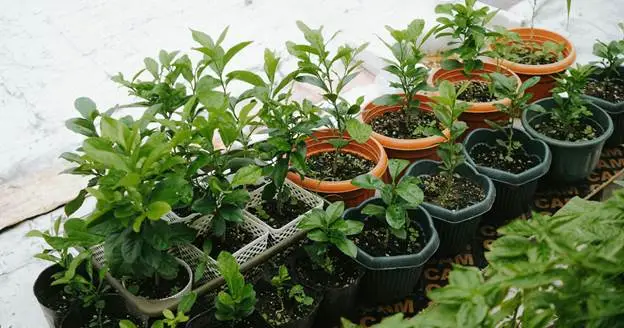
When deciding when cannabis plant is ready to harvest, look for several signs happening together.
You may notice:
- Most flowers have developed fully.
- Trichomes have changed from clear toward cloudy or milky.
- Some trichomes may begin showing amber coloring.
- Pistils have changed from their early white appearance.
- The plant has largely stopped producing fresh white pistils.
- Flowers look dense and mature rather than still expanding rapidly.
- The plant’s overall growth has slowed.
None of these signs should be considered perfect on its own.
The best judgment comes from looking at the overall picture.
What Happens If You Harvest Too Early?
Harvesting too early means the flowers may not have reached full maturity.
One of the biggest clues is trichomes. If most of them are still clear, the plant may still be developing.
You may also notice:
- Many fresh white pistils
- Flowers that still appear to be swelling
- Less developed resin glands
- A plant that generally looks like it has more flowering time ahead
There is no need to panic if you notice these signs. It simply means the plant may need more time to mature.
What Happens If You Wait Too Long?
Waiting too long can also create problems.
As trichomes continue aging, some can become darker and eventually degrade.
Heat, oxygen, light, and time can all affect trichomes and the compounds they contain.
Outdoor plants have another concern: weather.
Late-season rain, high humidity, cold temperatures, and storms can increase the risk of flower damage and mold. Outdoor harvest timing therefore involves both plant maturity and weather conditions.
This is one reason you should not blindly follow a calendar date.
Does the Strain Matter?
Yes. Genetics matter a lot.
Some cannabis varieties naturally take longer to finish flowering than others. A breeder’s information can help you estimate the expected flowering period, but the actual plant should still be checked for signs of maturity.
This is especially important when growing different varieties at the same time.
One plant may look ready while another still has mostly clear trichomes. Treating both plants as though they have the same schedule can lead to poor timing.
Should You Wait for All Trichomes to Turn Amber?
Not necessarily.
There is a common belief that every trichome must become amber before harvest. That is not a reliable rule.
Trichomes naturally develop at different rates, and research shows that maturity can vary across flowers and between cannabis genotypes.
Instead of waiting for every trichome to look identical, consider the overall stage of maturity across several flowers.
The goal is to recognize when the plant has reached its intended harvest stage, not to chase one exact color.
What About a Dispensary or Cannabis Store?
If you are not growing cannabis yourself, you do not need to judge harvest readiness.
A licensed dispensary or cannabis store handles cultivation and product processing before products reach consumers.
For legal products, packaging and testing information can tell you more about the product than trying to judge maturity from appearance alone.
Conclusion
Knowing when cannabis plant is ready to harvest is less about finding one magic date and more about watching several signs come together.
Trichomes are one of the strongest clues, while pistils, flowering time, genetics, plant health, and weather provide useful supporting information.
Research also shows that cannabis trichomes do not all mature at exactly the same rate, which is why checking several flowers matters.
If you are growing legally, take your time when checking the plant.
A few careful observations can tell you much more than simply counting the weeks since flowering began.
And remember: after harvest, the work is not necessarily finished. Proper handling, drying, and storage can also affect the final quality of the flowers.