Will Mold Stop Growing After It Starts Spreading?
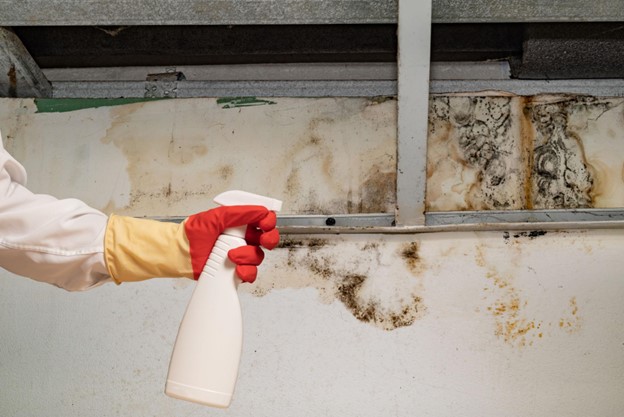
Will mold stop growing in dry conditions? Learn what slows mold growth, what kills it, and when mold inspection services may be needed.
You clean a mold spot on the wall, spray disinfectant, and hope the problem is gone.
A few weeks later, the stain comes back.
That is where many homeowners get frustrated.
They think mold stops once the surface looks dry, but that is not always true.
Even worse, mold spores can stay inactive in dry areas and start growing again once moisture returns.
This becomes a bigger issue when leaks, humidity, or hidden water damage stay untreated behind walls or under flooring.
That is one reason some homeowners eventually look into mold inspection services to check for hidden growth and moisture problems.
If you are wondering whether mold will eventually die on its own or keep spreading, the answer depends heavily on moisture, airflow, and the condition of your home.
Key Takeaways
- Mold usually keeps growing when moisture is present.
- Dry conditions can pause growth, but spores may still survive.
- Bleach does not always remove mold completely.
- Hidden leaks often cause mold to return.
- Fast moisture control helps stop mold spread.
- Poor ventilation increases indoor mold risk.
Will Mold Stop Growing Once the Area Dries?
Drying the area can slow mold growth, but it does not always eliminate the problem.
Mold spores are tough. They can stay inactive for long periods and become active again when moisture returns.
That means the mold may seem gone while still hiding inside drywall, wood, carpet, or insulation.
For example, if a pipe leaks behind a bathroom wall, the visible stain may dry out after cleanup.
But trapped moisture inside the wall can still support mold growth for months.
The CDC explains that indoor mold spreads through airborne spores and grows best in damp environments.
So, if you are asking whether mold will stop growing permanently after drying out, the answer is usually no unless the moisture source is completely fixed.
Why Mold Keeps Growing Indoors
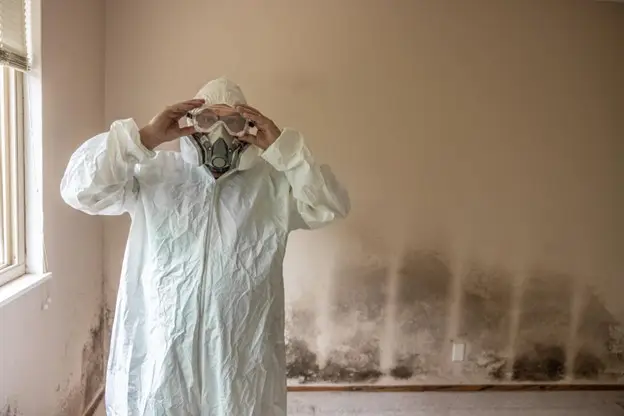
Mold needs three main things to grow:
- Moisture
- Warm temperatures
- Organic material
Homes naturally provide many surfaces mold can feed on, including:
- Drywall
- Wood
- Carpet
- Ceiling tiles
- Fabric
- Insulation
Once moisture enters these materials, mold can spread faster than many homeowners expect.
Areas Where Mold Commonly Grows
Some areas of a home create the perfect conditions for mold growth.
- Bathrooms. Bathrooms stay humid because of showers, steam, and poor ventilation. Mold often appears around ceilings, tiles, and under sinks.
- Basements. Basements collect moisture from the ground, especially after heavy rain or flooding.
- Kitchens. Leaking pipes, sink moisture, and poor airflow can support mold growth behind cabinets and appliances.
- Attics. Roof leaks and trapped heat often create hidden mold problems in attics.
- Laundry Rooms. Dryers without proper ventilation increase indoor humidity quickly.
Will Mold Stop Growing in Cold Temperatures?
Cold weather may slow mold growth, but it rarely kills mold completely.
Some mold types become inactive during colder months and reactivate once temperatures rise again. This is common in garages, storage rooms, crawl spaces, and vacation homes.
Indoor heating can also create condensation around windows and pipes, which adds moisture back into the home.
That means winter alone is not enough to solve a mold issue.
Can Mold Die Naturally Over Time?
Mold can weaken when conditions become unfavorable, but spores often remain behind.
Here is what usually happens:
| Condition | Effect on Mold |
| Dry air | Growth slows |
| Moisture returns | Growth restarts |
| Poor airflow | Mold spreads faster |
| Sunlight exposure | Some mold weakens |
| High humidity | Mold becomes active again |
This is why many people think the problem is gone, only to see mold return later.
Does Bleach Stop Mold Growth?
Bleach can remove stains from hard surfaces, but it does not always kill mold at the root.
Porous materials like drywall and wood absorb moisture deeply. Mold roots can stay hidden beneath the surface even after cleaning.
According to the EPA, bleach is not always recommended for routine mold cleanup because it may not fully solve the issue.
In some cases, bleach adds more moisture to porous surfaces, which can help mold grow again later.
Signs Mold Is Still Active
Sometimes mold continues growing even after cleanup.
Watch for these warning signs:
- Musty smells
- Dark spots returning
- Peeling paint
- Damp walls
- Warped flooring
- Allergy symptoms indoors
- Condensation around windows
If these signs continue, moisture is likely still present somewhere in the home.
Health Problems Linked to Indoor Mold
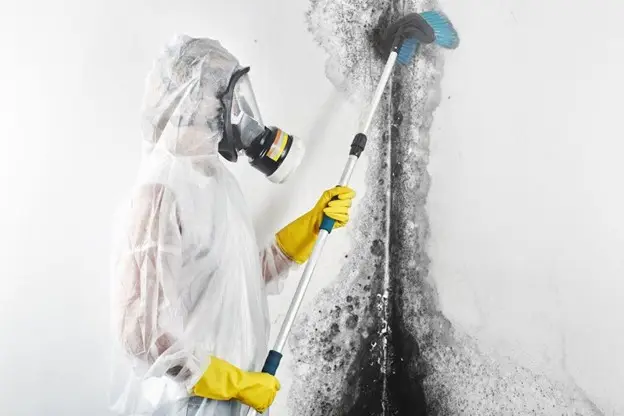
Indoor mold affects people differently. Some people may only notice mild irritation, while others develop stronger reactions.
The World Health Organization links damp indoor spaces with respiratory problems and allergy symptoms.
Possible symptoms include:
- Sneezing
- Coughing
- Skin irritation
- Eye irritation
- Headaches
- Asthma flare-ups
Children, older adults, and people with breathing conditions often react more strongly to mold exposure.
How to Stop Mold From Growing
Stopping mold starts with moisture control.
Fix Leaks Quickly
Repair:
- Roof leaks
- Broken pipes
- Window leaks
- Appliance leaks
Even small leaks can feed mold growth over time.
Lower Indoor Humidity
The EPA recommends keeping indoor humidity below 50%.
You can lower humidity by:
- Using dehumidifiers
- Running exhaust fans
- Opening windows when possible
- Improving ventilation
Dry Water Damage Fast
After flooding or leaks:
- Remove standing water immediately.
- Dry carpets and furniture quickly.
- Replace soaked drywall if needed.
- Improve airflow with fans.
The EPA recommends drying wet areas within 24 to 48 hours to reduce mold growth risk.
Check Hidden Areas
Mold often hides behind:
- Cabinets
- Walls
- Flooring
- HVAC systems
- Ceiling panels
If mold keeps returning, hidden moisture may still exist inside the structure.
Will Mold Stop Growing Without Removal?
Usually, no.
Even if mold becomes temporarily inactive, spores can remain in the home for years. Once moisture returns, growth often starts again.
That is why ignoring mold rarely solves the issue long term.
A small patch today can eventually spread into larger structural and indoor air quality problems if moisture continues feeding it.
Conclusion
So, will mold stop growing on its own? Most of the time, no.
Dry conditions may slow mold down, but spores can survive and reactivate once moisture returns.
Lasting mold control depends on fixing leaks, reducing humidity, improving airflow, and removing damaged materials when necessary.
The sooner moisture problems are addressed, the easier it is to prevent mold from spreading deeper into the home.